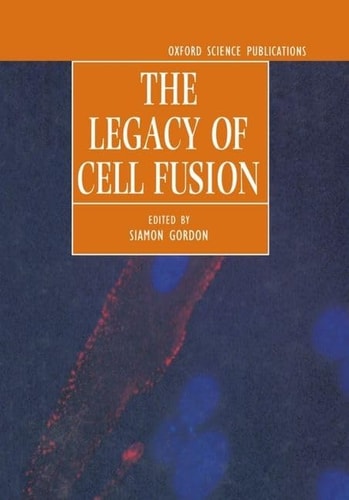
The Legacy of Cell Fusion
0
0
As an Amazon Associate and affiliate partner, Menrva Books earns from qualifying purchases. Learn more
Author Description
In order to study the genetics of somatic animal cells, Henry Harris and his colleagues invented the powerful method of viral-induced animal cell fusion. This volume evaluates the impact of cell hybridization on the study of cell differentiation, gene mapping, gene regulation, and the development of monoclonal antibodies. The book details important studies on nuclear structure and function, intracellular transport, membrane protein mobility, and nuclear-cytoplasmic interactions in heterokaryons and other cells. Tumor-suppressor genes and the role of radiation-hybrid mapping in the analysis of genetic tumors are also discussed. The book concludes with a chapter by Henry Harris which addresses a number of unsolved questions that remain regarding the link between cell growth and differentiation. Students and researchers in molecular genetics and cell, molecular, and cancer biology will welcome this fascinating overview of cell fusion research.
Menrva's Summary
THE THESIS
This volume investigates the historical development and scientific impact of viral-induced animal cell fusion on modern genetics and cell biology. Siamon Gordon provides a comprehensive evaluation of how cell hybridization techniques, pioneered by Henry Harris, have facilitated advancements in gene mapping, regulation, and the study of differentiation. The text synthesizes decades of research to demonstrate how these methodologies have shaped our current understanding of nuclear-cytoplasmic interactions and tumor suppression.
THE SCOPE MAP
What You Will Find
- Analysis of viral-induced animal cell fusion techniques and their applications in somatic cell genetics.
- Examination of nuclear structure, function, and intracellular transport mechanisms.
- Discussion of the role of radiation-hybrid mapping in the analysis of genetic tumors.
- Review of the development of monoclonal antibodies and their significance in biological research.
THE AUTHORITY PERSPECTIVE
Experts recognize this work as a significant historical and technical overview of cell fusion research. Readers frequently note the academic density of the prose, making it a valuable reference for students and researchers in molecular and cancer biology.
Page Count:
320
Publication Date:
1994-10-06
Publisher:
Oxford University Press
ISBN-10:
0198547722
ISBN-13:
9780198547723
Science
Biology
Genetics
Cells
Cell Biology
Oncology
Community Tags
Similar Books