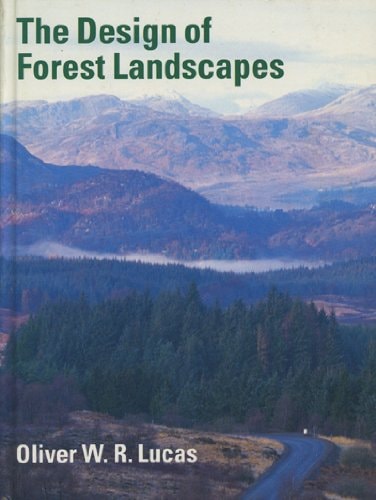
The Design of Forest Landscapes
0
0
As an Amazon Associate and affiliate partner, Menrva Books earns from qualifying purchases. Learn more
Author Description
This concise handbook combines sound landscape principles with practical advice on the conservation and enhancement of natural areas in and around managed forests. The book describes aesthetic issues and discusses the broader implications of forestry in the landscape. It goes on to establish an overall framework within which the abundant variety of landscape details may be situated. A number of useful examples show how forests can be planned to best reflect their surroundings, particularly in the planting and felling stages. Topics include the choice of species; the design of small woods, shelterbelts, and forest roadsides; and the planning, management, timing, and implementation of design projects. The book includes hundreds of illustrations, many in full color. The emphasis throughout is on the practical application of theoretical understanding.
Menrva's Summary
THE THESIS
This book investigates the intersection of aesthetic principles and practical forestry management to determine how natural areas can be conserved and enhanced within managed landscapes. Oliver W. R. Lucas provides a framework for integrating theoretical design concepts with the operational realities of planting, felling, and road construction. By synthesizing ecological considerations with visual design, the author argues that managed forests can be planned to harmonize with their surrounding environments. The text serves as a technical guide for professionals and students seeking to apply landscape design theory to real-world forestry projects.
THE SCOPE MAP
What You Will Find
- Principles of landscape design applied to forest management and conservation.
- Technical guidance on species selection, shelterbelt design, and roadside planning.
- Practical methodologies for the timing and implementation of forestry projects.
- Extensive visual documentation including hundreds of illustrations and color plates.
THE AUTHORITY PERSPECTIVE
Professionals in the field of landscape architecture and forestry identify this work as a practical reference for balancing aesthetic goals with industrial forest management. Readers frequently note the clarity of the design frameworks provided and the utility of the illustrated examples for field application.
Page Count:
396
Publication Date:
1991-11-14
Publisher:
Oxford University Press
ISBN-10:
0198542801
ISBN-13:
9780198542803
Nature
Landscape architecture
Conservation
Forests and forestry
Forestry
Community Tags
Similar Books