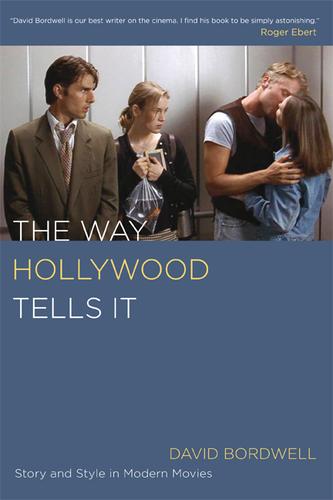
The Way Hollywood Tells It
0
0
As an Amazon Associate and affiliate partner, Menrva Books earns from qualifying purchases. Learn more
Author Description
Includes information on Woody Allen, Robert Altman, Asian films, Brian de Plama, European cinema, Alfred Hitchcock, Hong Kong films, Sam Peckinpah, Arthur Penn, Otto Preminger, Brett Ratner, Martin Scorsese, Steven Spielberg, Oliver Stone, Orson Welles, American Graffiti, At Long Last Love, A Beautiful Mind, Bonnie and Clyde, Chinatown, Citizen Kane, The Godfather, Jaws, Jerry Maguire, Lord of the Rings trilogy, Matrix trilogy, Memento, Raiders of the Lost Ark, Sixth Sense, Star Wars series, Two Weeks Notice, arcing shots, axis of action, black and white footage, camera movement, characterization, climax, close ups, comedies, complicating action, cutting, dialogue hook, directors, editing, energy, epilogue, establishing shots, fantasy, film noir, flashbacks, following shots, foreshadowing, four part structure, framing, handheld shots, heroes, horror, hyperclassical construction, independent films, innovation, intensified continuity, intercutting, long lens, long takes, low budget films, montage sequences, motifs, multiple camera shooting, narrative, over the shoulder shots, overt narration, plot, postclassical cinema, protagonists, puzzle films, rapid cutting, reverse order plotting, romantic comedy, science fiction, set up, shots, singles, soundtracks, special effects, Stedicam, story development, studio era, television, thrillers, time, tracking shots, video, violence, visceral effects, visual style, wide angle lens, wide screen, wipe by cuts, wipes, etc.
Menrva's Summary
THE THESIS
This book investigates the conventions and narrative strategies employed in mainstream filmmaking, particularly within Hollywood, to create compelling and coherent cinematic experiences. David Bordwell, a renowned film scholar, draws upon decades of film analysis to deconstruct how directors and editors utilize specific techniques to guide audience attention, develop characters, and structure narratives. The work examines a vast array of films and filmmaking elements, from classic Hollywood to contemporary blockbusters and international cinema, to illustrate the underlying principles of cinematic storytelling.
THE SCOPE MAP
- Analysis of narrative structures and conventions in mainstream cinema.
- Examination of directorial techniques including camera movement, editing, and framing.
- Discussion of characterization and plot development strategies.
- Exploration of cinematic elements such as sound design, special effects, and visual style.
- Case studies of prominent directors and their contributions to film language.
- Comparison of Hollywood conventions with European and Asian filmmaking traditions.
- Deconstruction of specific film techniques like 'intensified continuity' and 'hyperclassical construction'.
- Coverage of a wide range of film genres including comedies, thrillers, science fiction, and fantasy.
THE AUTHORITY PERSPECTIVE
David Bordwell's "The Way Hollywood Tells It" is widely regarded as a seminal work in film studies, offering a rigorous and accessible analysis of cinematic narrative techniques. Scholars and students alike praise its comprehensive scope, detailed examples, and clear articulation of complex filmmaking principles. The book is considered essential reading for anyone seeking to understand the craft and artistry behind effective storytelling in film, providing a framework for appreciating both classic and contemporary cinema.
Page Count:
309
Publication Date:
2006-01-01
ISBN-10:
0520232275
Art
History
Non-Fiction
Film Studies
Film History
Film Theory
Cinema
Community Tags
Similar Books