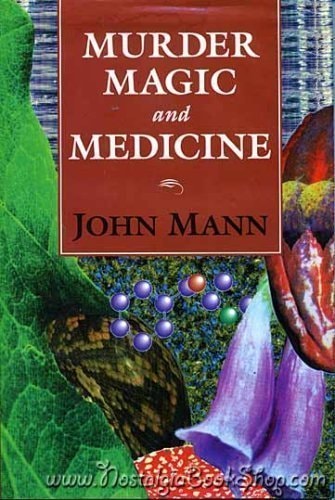
Murder, Magic, and Medicine
0
0
As an Amazon Associate and affiliate partner, Menrva Books earns from qualifying purchases. Learn more
Author Description
This absorbing account of the evolution of modern medicine from its roots in folk culture will entertain and inform both scientists and general readers alike. It explains the chemical basis of modern pharmacology, and provides a fascinating description of the use and abuse of natural products in various societies through the ages and how this largely trial-and-error process has led to the development of many of the drugs we now take for granted. Primitive cultures especially identified a wealth of edible and poisonous plants, and refined their use in practices related to hunting, healing, magic, religion, and warfare. Today, this heritage can be linked to the origin of such modern-day substances as hemlock and other notorious poisons, as well as to a range of psychoactive drugs like cocaine and LSD, and to beneficial pharmaceuticals including quinine, penicillin, and AZT. However many plant and animal species still remain undiscovered, and as the author notes, much native folk medicine has yet to be investigated. With the rapid destruction of many of the earth's natural resources, this book is particularly timely as these potentially valuable sources could be lost forever.
Menrva's Summary
THE THESIS
This book investigates the historical evolution of modern pharmacology by tracing the transition from ancient folk medicine and natural product usage to contemporary pharmaceutical science. John Mann, a chemist with extensive expertise in natural product synthesis, utilizes historical records and chemical analysis to argue that modern medicine is deeply indebted to the trial-and-error discoveries of primitive cultures. He examines how substances once used for magic, warfare, and ritualistic healing provided the foundational knowledge for current life-saving drugs and psychoactive compounds. The text serves as a call to action, emphasizing the urgent need to preserve biodiversity before the untapped medicinal potential of rare plant and animal species is permanently lost.
THE SCOPE MAP
What You Will Find
- Historical analysis of how ancient societies identified and utilized poisonous and edible flora.
- A chemical breakdown of the transition from folk remedies to modern pharmaceutical agents.
- Case studies on the origins of substances ranging from hemlock and cocaine to penicillin and AZT.
- An exploration of the intersection between traditional cultural practices and scientific discovery.
THE AUTHORITY PERSPECTIVE
Experts and readers frequently note the accessibility of the prose, which balances technical chemical explanations with engaging historical narrative. The text is widely regarded as a foundational resource for those interested in the intersection of ethnobotany and the history of medicine.
Page Count:
232
Publication Date:
1992-01-15
Publisher:
Oxford University Press
ISBN-10:
019855561X
ISBN-13:
9780198555612
Science
History
Nature
Anthropology
Pharmacology
Medicine
Community Tags
Similar Books