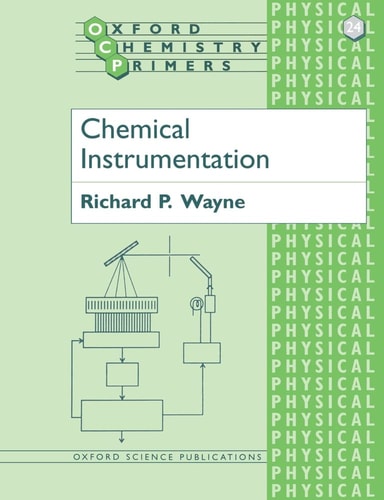
Chemical Instrumentation (Oxford Chemistry Primers)
0
0
As an Amazon Associate and affiliate partner, Menrva Books earns from qualifying purchases. Learn more
Author Description
Instrumentation lies behind many of the most interesting aspects of contemporary chemistry. Some techniques - such as NMR - owe their existence to electronic instrumentation; others have been made simpler, more reliable, and more precise. Yet undergraduates reading chemistry often have only the most rudimentary understanding of the way in which electronics and allied disciplines have provided powerful tools that enable creative experimentation to be performed. This text introduces students to the devices used in R&D and provides a basic understanding of how the instrumentation works.
Menrva's Summary
THE THESIS
How do electronic systems and instrumentation function as the foundational architecture for modern chemical research and experimentation? Richard P. Wayne, an established academic in the field of chemistry, addresses the gap in undergraduate education regarding the technical underpinnings of laboratory tools. The text provides a structured framework for understanding the electronic principles that govern contemporary analytical devices, moving beyond mere operation to explain the underlying mechanics of chemical instrumentation.
THE SCOPE MAP
What You Will Find
- Fundamental electronic principles applied to chemical analysis
- Operational mechanics of common R&D laboratory devices
- Integration of electronics with chemical measurement techniques
- Analysis of how instrumentation enhances experimental reliability and precision
THE AUTHORITY PERSPECTIVE
Experts frequently cite this text as a foundational resource for undergraduates seeking to bridge the gap between theoretical chemistry and practical laboratory application. Readers often note the clarity of the prose, which manages to explain complex electronic concepts without requiring an extensive background in electrical engineering.
Page Count:
96
Publication Date:
1994-10-27
Publisher:
Oxford University Press
ISBN-10:
0198557965
ISBN-13:
9780198557968
Science
Textbooks
Electronics
Chemistry
Community Tags
Similar Books