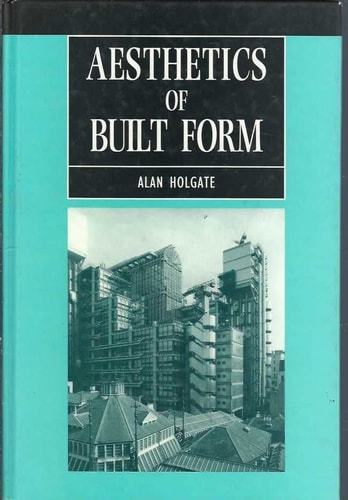
Aesthetics of Built Form
0
0
As an Amazon Associate and affiliate partner, Menrva Books earns from qualifying purchases. Learn more
Author Description
This book concentrates on presenting facts and opinions about the ways in which people respond to built form, drawing on a wide range of literature written by theorists, critics, and practicing architects. The subject matter incorporates perspectives from the psychology of aesthetic appreciation, the linguistic content of built form, the social ramifications of architecture, and, as an extension of this, the often fraught dialogue between the architect and the engineer. The book is richly illustrated with examples of buildings from all periods in history, and should be a stimulating addition to the continuing and topical debate between functionalist and aesthetic considerations affecting the planning of buildings.
Menrva's Summary
THE THESIS
This book investigates the complex relationship between human perception and the built environment, questioning how aesthetic value is assigned to architectural structures. Alan Holgate, an experienced practitioner in the field, synthesizes diverse perspectives from architectural theory, psychology, and engineering. By examining the historical and social contexts of design, the author constructs a framework for understanding the tension between functional requirements and aesthetic expression.
THE SCOPE MAP
What You Will Find
- Analysis of psychological theories regarding aesthetic appreciation in architecture.
- Examination of the linguistic and symbolic content inherent in built forms.
- Discussion of the professional dialogue and friction between architects and engineers.
- Historical case studies illustrating the evolution of building design and social impact.
THE AUTHORITY PERSPECTIVE
Experts recognize this text as a comprehensive survey of the intersection between architectural theory and human response. Readers frequently note the academic rigor of the prose and its utility in framing the ongoing debate between functionalism and aesthetic priority.
Page Count:
304
Publication Date:
1992-08-27
Publisher:
Oxford University Press
ISBN-10:
0198563361
ISBN-13:
9780198563365
Non-Fiction
Architecture
Architecture
Aesthetics
Engineering
Design Theory
Community Tags
Similar Books