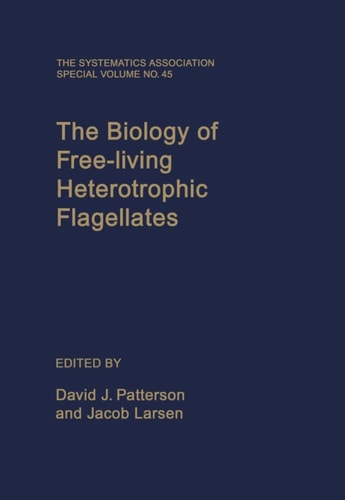
The Biology of Free-living Heterotrophic Flagellates
0
0
As an Amazon Associate and affiliate partner, Menrva Books earns from qualifying purchases. Learn more
Author Description
Flagellated protozoa have become important in two biological disciplines. In evolutionary biology flagellates are critical to understanding the origins of eukaryotic cells and their diversification as protists and subsequently as plants, animals and fungi. Flagellated protozoa also play a key role in aquatic ecosystems, where they regulate bacterial numbers and control the remineralization of nutrients. The aim of this volume is to provide a synthesis of information on these organisms. Chapters deal with the organization, diversity, ecology, and maintenance of free-living flagellates. Each chapter is written by a recognized authority in his or her field. The book will be of interest to protozoologists, protistologists, evolutionary biologists, and ecologists dealing with aquatic or soil ecosystems.
Menrva's Summary
THE THESIS
This volume investigates the biological significance, evolutionary history, and ecological function of free-living heterotrophic flagellates. Edited by David J. Patterson and Jacob Larsen, the text compiles research from various experts to synthesize current knowledge regarding these protists. It establishes a framework for understanding how these organisms influence aquatic nutrient cycles and serve as critical models for the diversification of eukaryotic life.
THE SCOPE MAP
What You Will Find
- Detailed analysis of the cellular organization and structural diversity of flagellates
- Examination of the ecological roles these organisms play in regulating bacterial populations
- Synthesis of evolutionary theories regarding the origins of eukaryotic cells
- Methodologies for the maintenance and study of free-living flagellate cultures
THE AUTHORITY PERSPECTIVE
Experts recognize this volume as a foundational reference for protozoologists and researchers focused on aquatic ecosystems. Readers frequently note the technical density of the prose, which is intended for an audience of professional biologists and advanced students in the field.
Page Count:
520
Publication Date:
1992-02-27
Publisher:
Clarendon Press
ISBN-10:
0198577478
ISBN-13:
9780198577478
Science
Biology
Zoology
Flagellata
Ecology
Evolutionary Biology
Community Tags
Similar Books