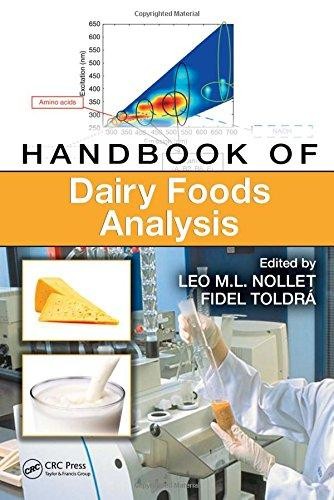
Handbook of Dairy Foods Analysis
0
0
As an Amazon Associate and affiliate partner, Menrva Books earns from qualifying purchases. Learn more
Author Description
Dairy foods account for a large portion of the Western diet, but due to the potential diversity of their sources, this food group often poses a challenge for food scientists and their research efforts. Bringing together the foremost minds in dairy research, Handbook of Dairy Foods Analysis compiles the top dairy analysis techniques and methodologies from around the world into one, well-organized volume. Exceptionally comprehensive both in its detailing of methods and the range of products covered, this handbook includes tools for analyzing chemical and biochemical compounds and also bioactive peptides, prebiotics, and probiotics. It describes noninvasive chemical and physical sensors and starter cultures used in quality control. The book discusses current methods for the detection of microorganisms, allergens, and other adulterations, including those of environmental origin or introduced during processing. Other methodologies used to evaluate color, texture, and flavor are also discussed.
Menrva's Summary
THE THESIS
This handbook addresses the complexities of dairy food analysis for scientists and researchers. Dairy foods, a significant component of the Western diet, present unique challenges due to the diversity of their sources. This comprehensive volume gathers leading global techniques and methodologies for dairy analysis. It details methods for examining chemical and biochemical compounds, bioactive peptides, prebiotics, and probiotics, alongside noninvasive sensors and starter cultures for quality control. The book also covers current approaches for detecting microorganisms, allergens, and adulterations, as well as evaluating sensory attributes like color, texture, and flavor.
THE SCOPE MAP
- Analysis of chemical and biochemical compounds in dairy products
- Methods for analyzing bioactive peptides, prebiotics, and probiotics
- Description of noninvasive chemical and physical sensors for quality control
- Techniques for evaluating starter cultures used in dairy processing
- Current methods for detecting microorganisms and allergens
- Strategies for identifying environmental or processing-induced adulterations
- Methodologies for assessing color, texture, and flavor profiles of dairy foods
THE AUTHORITY PERSPECTIVE
This handbook is designed as a comprehensive resource for food scientists and researchers working with dairy products. The collection of techniques and methodologies from global experts aims to provide a thorough guide to dairy analysis. It covers a wide range of analytical targets, from chemical composition to sensory attributes, and addresses challenges related to quality control and adulteration detection. The book's structure and content suggest it is a valuable reference for professionals in the field.
Page Count:
900
Publication Date:
2010-01-01
ISBN-10:
1420046314
ISBN-13:
9781420046311
Non-Fiction
Science
Chemistry
Food Science
Analytical Chemistry
Quality Control
Community Tags
Similar Books