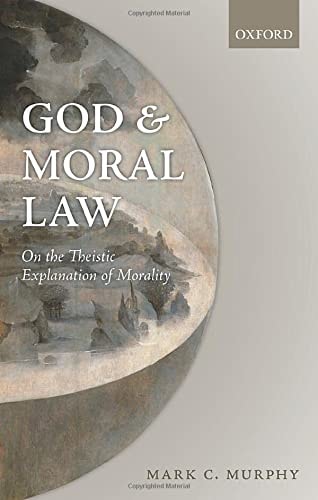
God and Moral Law: On the Theistic Explanation of Morality
0
0
As an Amazon Associate and affiliate partner, Menrva Books earns from qualifying purchases. Learn more
Author Description
Does God's existence make a difference to how we explain morality? Mark C. Murphy critiques the two dominant theistic accounts of morality--natural law theory and divine command theory--and presents a novel third view. He argues that we can value natural facts about humans and their good, while keeping God at the centre of our moral explanations.The characteristic methodology of theistic ethics is to proceed by asking whether there are features of moral norms that can be adequately explained only if we hold that such norms have some sort of theistic foundation. But this methodology, fruitful as it has been, is one-sided. God and Moral Law proceeds not from the side of the moral norms, so to speak, but from the God side of things: what sort of explanatory relationship should we expect between God and moral norms given the existence of the God of orthodox theism? Mark C. Murphy asks whether the conception of God in orthodox theism as an absolutely perfect being militates in favor of a particular view of the explanation of morality by appeal to theistic facts. He puts this methodology to work and shows that, surprisingly, natural law theory and divine command theory fail to offer the sort of explanation of morality that we would expect given the existence of the God of orthodox theism. Drawing on the discussion of a structurally similar problem--that of the relationship between God and the laws of nature--Murphy articulates his new account of the relationship between God and morality, one in which facts about God and facts about nature cooperate in the explanation of moral law.
Menrva's Summary
THE THESIS
This book investigates whether the existence of an absolutely perfect God necessitates a specific explanatory framework for moral law. Mark C. Murphy, a scholar of ethics and philosophy of religion, evaluates the limitations of traditional natural law and divine command theories. By shifting the analytical focus from the nature of moral norms to the attributes of the divine, he constructs a novel explanatory model that integrates both theistic facts and natural human goods.
THE SCOPE MAP
What You Will Find
- A critical assessment of natural law theory and divine command theory.
- An analysis of the explanatory relationship between an omniperfect deity and moral obligations.
- A comparative study drawing parallels between theistic moral explanations and the philosophy of laws of nature.
- A proposed synthesis where facts about God and facts about human nature cooperate to explain moral law.
THE AUTHORITY PERSPECTIVE
Scholars in the field of metaethics and philosophy of religion recognize this work as a significant contribution to the debate on theistic foundations of morality. Readers frequently note the academic density of the prose and the rigor of Murphy's methodological shift from moral norms to divine attributes.
Page Count:
208
Publication Date:
2016-05-01
Publisher:
Oxford University Press
ISBN-10:
0198748213
ISBN-13:
9780198748212
Religion
Philosophy
Moral Philosophy
Natural law
Christian ethics
Ethics
Theology
Community Tags
Similar Books