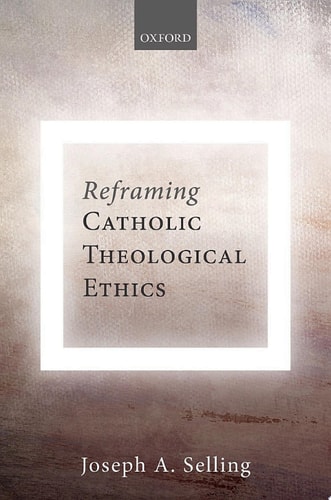
Reframing Catholic Theological Ethics
0
0
As an Amazon Associate and affiliate partner, Menrva Books earns from qualifying purchases. Learn more
Author Description
Traditionally, Catholic moral theology has been based upon an approach that over-emphasized the role of normative ethics and subsequently associated moral responsibility with following or disobeying moral rules. Reframing Catholic Theological Ethics offers an alternative ethical method which, without destroying any of the valuable insights of normative ethics, reorients the discipline to consider human motivation and intention before investigating behavioural options for realizing one's end. Evidence from the New Testament warrants the formation of a teleological method for theological ethics which is further elaborated in the approach taken by Thomas Aquinas. Unfortunately, the insights of the latter were misinterpreted at the time of the counter-reformation. Joseph A. Selling's analysis of moral theological textbooks demonstrates the entrenchment of a normative method aimed at identifying sins in service to the practice of sacramental confession. With a firm basis in the teaching of Vatican II, the 'human person integrally and adequately considered' provides the fundamental criterion for approaching ethical issues in the contemporary world. The perspective then turns to the crucial question of describing the ends or goals of ethical living by providing a fresh approach to the concept of virtue. Selling concludes with suggestions about how to combine normative ethics with this alternative method in theological ethics that begins with the actual, ethical orientation of the human person toward virtuous living.
Menrva's Summary
THE THESIS
This book investigates how Catholic moral theology can shift from a rule-based normative framework toward a teleological method centered on human motivation and intention. Joseph A. Selling, a scholar in theological ethics, critiques the historical over-emphasis on identifying sins for sacramental confession. He argues that by re-integrating the insights of Thomas Aquinas and the teachings of Vatican II, the discipline can better address the complexities of contemporary ethical living through the concept of the human person integrally and adequately considered.
THE SCOPE MAP
What You Will Find
- A historical critique of post-Counter-Reformation moral theological textbooks.
- A teleological framework for ethics based on New Testament evidence and Thomistic thought.
- A re-evaluation of virtue ethics as a primary goal for the human person.
- A proposed synthesis between traditional normative ethics and person-centered moral inquiry.
Scope Limits
- The text does not provide a comprehensive manual for every specific contemporary moral dilemma.
- It does not abandon normative ethics entirely but seeks to reorient its application.
THE AUTHORITY PERSPECTIVE
Scholars and students of moral theology frequently note the academic rigor and historical depth of Selling's analysis. Experts highlight this as a significant contribution to the ongoing discourse regarding the evolution of Catholic ethical methodology in the post-Vatican II era.
Page Count:
264
Publication Date:
2016-01-01
Publisher:
OUP Oxford
ISBN-10:
0191079863
ISBN-13:
9780191079863
Religion
Philosophy
Moral theology
Catholicism
Ethics
Theology
Christian ethics
Community Tags
Other Editions(4)


Similar Books


Reader Comments
Share Your Thoughts
No comments yet. Be the first to share your thoughts!