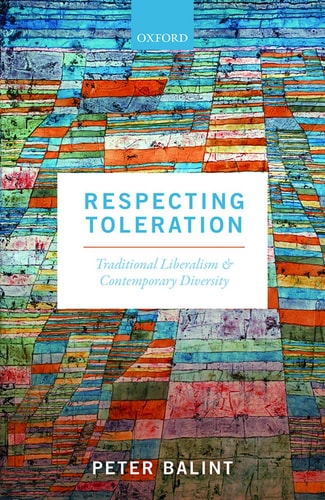
Respecting Toleration: Traditional Liberalism and Contemporary Diversity
0
0
As an Amazon Associate and affiliate partner, Menrva Books earns from qualifying purchases. Learn more
Author Description
The question of toleration matters more than ever. The politics of the twenty-first century is replete with both the successes and, all too often, the failures of toleration. Yet a growing number of thinkers and practitioners have argued against toleration. Some believe that liberal democracies are better served by different principles, such as respect of, or recognition for, people's ways of life. Others argue that because the liberal state should be entirely neutral or indifferent towards people's ways of life, it can no longer be tolerant - it has no grounds on which it can object, and so there is nothing left to tolerate.Respecting Toleration provides a new, original, and provocative take on the question of toleration and its application to the politics of contemporary diversity. Peter Balint argues for both the conceptual coherence and normative desirability of toleration and neutrality. He argues that it is these principles which best realise the basic liberal good of people living their lives as they see fit, rather than appealing to principles of recognition or respect for difference. While those who criticised liberalism's failings in dealing with the claims of diversity had justification, it is the tenets of traditional liberalism that hold the answer. Respecting Toleration argues that if one cares about people living divergent lives, then it is liberal toleration that should be respected by legislators and policy makers, and not people's differences.
Menrva's Summary
THE THESIS
How can traditional liberal principles of toleration and neutrality effectively address the challenges posed by contemporary cultural and social diversity? Peter Balint, a scholar of political theory, examines the erosion of support for toleration in modern political discourse. He posits that rather than abandoning liberal tenets in favor of recognition or respect for difference, the state should reaffirm its commitment to neutrality to best protect individual autonomy and the ability of citizens to live according to their own values.
THE SCOPE MAP
What You Will Find
- A conceptual defense of traditional liberal toleration against contemporary critiques.
- An analysis of the relationship between state neutrality and individual life choices.
- A critique of alternative political frameworks such as the politics of recognition.
- Normative arguments for the application of liberal principles by legislators and policy makers.
THE AUTHORITY PERSPECTIVE
Scholars in political philosophy identify this work as a significant contribution to the ongoing debate regarding the limits of liberal governance in pluralistic societies. The text is noted for its clear, argumentative structure, making it a useful resource for students and practitioners interested in the intersection of political theory and public policy.
Page Count:
192
Publication Date:
2017-02-22
Publisher:
Oxford University Press
ISBN-10:
0198758596
ISBN-13:
9780198758594
Philosophy
Liberalism
Ethics
Political Theory
Community Tags
Similar Books