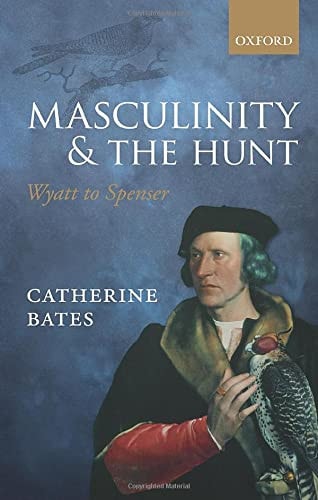
Masculinity and the Hunt: Wyatt to Spenser
0
0
As an Amazon Associate and affiliate partner, Menrva Books earns from qualifying purchases. Learn more
Author Description
As an age-old metaphor for the sexual chase, the hunt provides a uniquely conflicted site for the representation of masculinity. On the one hand, hunting had from ancient times served to define a particular and culturally-approved mode of masculinity as heroic, pursuant, and goal-oriented, where success was measured by the achievement of the objectives set: the capture and killing of prey. When applied to love, on the other hand, hunting was inflected quite differently. At first glance, the basic scenario of a male subject pursuing elusive quarry over which he ultimately comes to assert control might seem to epitomize the dynamic of the sexual chase, yet when poets invoke the hunt in an amorous context, this most obvious manifestation of the metaphor is not the one they put to use. On the contrary, in lyric poetry and romance, the hunt metaphor serves to demote or destabilize the masculine subject in some way. The huntsman is routinely a figure of failure: for all his efforts, he either fails to catch what he pursues, catches the wrong thing, ends up being caught by others, or runs round in circles chasing himself. His failure is measured precisely as a shortfall from the cultural ideal.The metaphor of the hunt thus opens up possibilities for exploring definitions of masculinity that deviate from culturally approved models of mastery and power. It shows how limited those models are and offers examples of alternative and counter-cultural versions of a masculine subjectivity that radically query patriarchal stereotypes of gender and class. The hunt has been the subject of increased critical interest over last few years, partly as a result of itspoliticization as an issue, as reflected in recent changes to hunting legislation within the UK. Shifting attitudes to the hunt indicate that as a cultural phenomenon it continues to mobilize strong opinion and to activate notions of class and gender identity to this day. Masculinity and the Hunt is a unique study considering t
Menrva's Summary
THE THESIS
This study investigates how the metaphor of the hunt in Renaissance poetry functions as a site for destabilizing traditional masculine identity. Catherine Bates, a scholar of early modern literature, examines the tension between the cultural ideal of the heroic, goal-oriented huntsman and the frequent depiction of the failed or subverted hunter in lyric poetry and romance. By analyzing works from Wyatt to Spenser, the author argues that these texts utilize the hunt to critique patriarchal models of mastery and to explore alternative versions of masculine subjectivity.
THE SCOPE MAP
What You Will Find
- Analysis of the hunt as a literary metaphor for sexual pursuit and gender dynamics.
- Comparative study of poetic works spanning from Thomas Wyatt to Edmund Spenser.
- Examination of the intersection between class, gender identity, and cultural power structures.
- Theoretical framework regarding the failure of the masculine subject within the amorous chase.
THE AUTHORITY PERSPECTIVE
Scholars recognize this text as a significant contribution to the study of early modern gender representations and poetic tropes. Readers frequently note the academic density of the prose and the precision with which Bates navigates the shift between historical hunting practices and their literary subversions.
Page Count:
368
Publication Date:
2016-07-14
Publisher:
Oxford University Press
ISBN-10:
0198778325
ISBN-13:
9780198778325
Poetry
Gender Studies
English literature
Literary Criticism
Cultural History
Community Tags
Other Editions(2)

Similar Books


Reader Comments
Share Your Thoughts
No comments yet. Be the first to share your thoughts!