1931: Debt, Crisis, and the Rise of Hitler
0
0
As an Amazon Associate and affiliate partner, Menrva Books earns from qualifying purchases. Learn more
Author Description
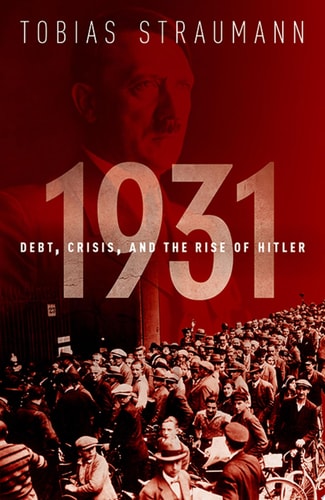
Germany's financial collapse in the summer of 1931 was one of the biggest economic catastrophes of modern history. It led to a global panic, brought down the international monetary system, and turned a worldwide recession into a prolonged depression. The reason for the financial collapse was Germany's large pile of foreign debt denominated in gold currency which condemned the government to cut spending, raise taxes, and lower wages in the middle of a worldwide recession. As the political resistance to this austerity policy grew, the German government began to question its debt obligations, prompting foreign investors to panic and sell their German assets. The resulting currency crisis led to the failure of the already weakened banking system and a partial sovereign default. Hitler managed to profit from the crisis, because he had been the most vocal critic of the reparation regime. As the financial system collapsed, his relentless attacks against foreign creditors and the alleged complicity of the German government resonated more than ever with the electorate. In 1931, Tobias Straumann reveals the story of the fatal crisis, demonstrating how a debt trap contributed to the rapid financial and political collapse of a European country, and to the rise of the Nazi Party.
Menrva's Summary
THE THESIS
This book investigates how Germany's 1931 financial collapse and subsequent debt trap served as a catalyst for the political destabilization that facilitated the rise of the Nazi Party. Tobias Straumann, an Associate Professor of Economic History at the University of Zurich, utilizes archival financial data and historical records to analyze the intersection of international monetary policy and domestic political radicalization. He argues that the rigid adherence to austerity measures amidst a global recession created a vacuum of legitimacy that Adolf Hitler successfully exploited through populist rhetoric against foreign creditors.
THE SCOPE MAP
What You Will Find
- Analysis of the 1931 German banking crisis and the failure of the international gold-denominated debt system.
- Examination of the political consequences of austerity policies, including wage cuts and tax increases.
- Historical evidence linking sovereign default and economic instability to the electoral success of the Nazi Party.
- A detailed account of the collapse of the Weimar Republic's financial infrastructure.
THE AUTHORITY PERSPECTIVE
Experts recognize this work as a rigorous examination of the causal links between macroeconomic policy and political extremism. Readers frequently note the academic density of the prose, which provides a comprehensive look at the mechanics of the Weimar Republic's final years.
Page Count:
272
Publication Date:
2020-12-01
Publisher:
Oxford University Press
ISBN-10:
0198816197
ISBN-13:
9780198816195
History
Economics
Germany economic conditions
Debts External
Financial History
European History
Community Tags
Other Editions(3)
Similar Books