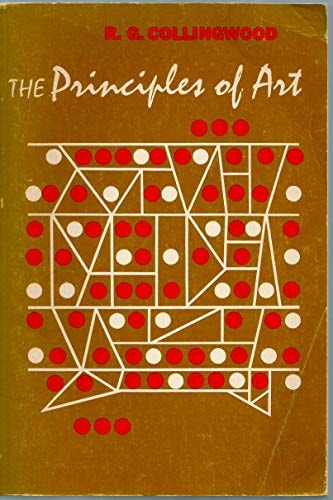
Principles of Art
0
0
As an Amazon Associate and affiliate partner, Menrva Books earns from qualifying purchases. Learn more
Author Description
This treatise on aesthetics begins by showing that the word "art" is used as a name not only for "art proper" but also for certain things which are "art falsely so called." These are craft or skill, magic, and amusement, each of which, by confusion with art proper, generates a false aesthetic theory. In the course of attacking these theories the author criticizes various psychological theories of art, offers a new theory of magic, and reinterprets Plato's so-called "attack on art," showing that it has been entirely misunderstood. Finally, he draws important inferences concerning the position of art in human society.
Menrva's Summary
THE THESIS
This treatise investigates the fundamental nature of art by distinguishing it from related concepts such as craft, magic, and amusement. R. G. Collingwood, a prominent philosopher and historian, utilizes a rigorous analytical framework to dismantle common misconceptions regarding aesthetic experience. By examining the psychological and social dimensions of creative expression, he constructs a definition of art proper that separates it from mere technical skill or emotional manipulation.
THE SCOPE MAP
What You Will Find
- A systematic critique of craft, magic, and amusement as false categories of art.
- A reinterpretation of historical philosophical perspectives, specifically Plato's critique of art.
- An analysis of the psychological theories underpinning aesthetic reception.
- A discussion on the functional role and social responsibility of art within human society.
THE AUTHORITY PERSPECTIVE
Experts frequently cite this work as a foundational text in 20th-century aesthetic philosophy. Readers often note the dense, academic nature of the prose, which requires careful attention to the author's specific definitions and logical progression.
Page Count:
360
Publication Date:
1963-01-01
Publisher:
Oxford Univ Press
ISBN-10:
0198810628
ISBN-13:
9780198810629
Philosophy
Politics
Art Theory
Nonfiction
Aesthetics
Community Tags
Similar Books