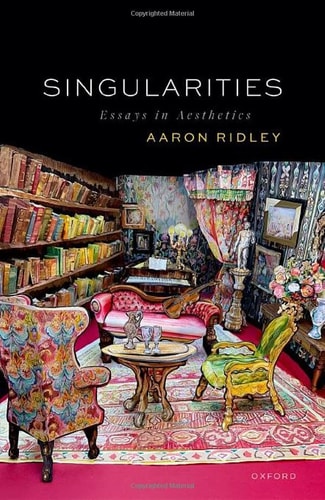
Singularities: Essays in Aesthetics
0
0
As an Amazon Associate and affiliate partner, Menrva Books earns from qualifying purchases. Learn more
Author Description
These essays, half of them appearing here for the first time, address issues concerning the two key singularities that Kant identified in aesthetics: artistic creativity and aesthetic judgement. Ranging from Kant himself to contemporary debates, from song to conceptual art, from ethics to atheism, from function to failure, Aaron Ridley explores the ways in which the one-off character of creativity and judgement may defy our ordinary expectations of what an explanation should be like. Intended equally for specialists and students, this collection offers a distinctive approach to aesthetics that will be of interest to any reader concerned with philosophical reflection upon the arts.
Menrva's Summary
THE THESIS
This collection investigates the philosophical challenges posed by the unique, non-repeatable nature of artistic creativity and aesthetic judgment as originally identified by Immanuel Kant. Aaron Ridley, a scholar in the field of aesthetics, utilizes a blend of historical analysis and contemporary philosophical inquiry to examine how these singular events resist traditional explanatory frameworks. By bridging the gap between classical theory and modern artistic practice, the author argues that the inherent unpredictability of art requires a more nuanced approach to philosophical reflection.
THE SCOPE MAP
What You Will Find
- Analysis of Kantian aesthetic theory regarding creativity and judgment
- Philosophical inquiries into diverse art forms including song and conceptual art
- Explorations of the intersection between aesthetics, ethics, and atheism
- Discussions on the concepts of artistic function and failure
Scope Limits
- The text does not provide a comprehensive history of art movements
- It avoids overly technical jargon to remain accessible to students and specialists alike
THE AUTHORITY PERSPECTIVE
Experts and students of philosophy frequently cite this collection for its ability to bridge the gap between historical aesthetic theory and contemporary artistic debates. Readers often note the clarity of the prose, which manages to address complex philosophical problems without sacrificing accessibility for those new to the subject.
Page Count:
288
Publication Date:
2024-11-29
Publisher:
Oxford University Press
ISBN-10:
0192845977
ISBN-13:
9780192845979
Philosophy
Politics
Non-Fiction
Aesthetics
Essays
Art Theory
Community Tags
Similar Books