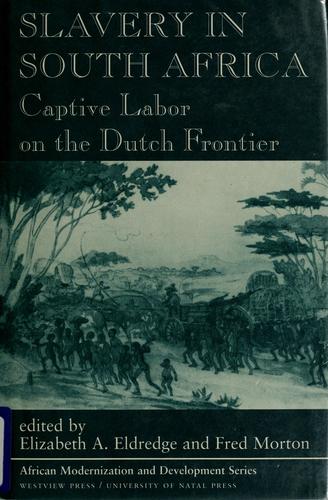
Slavery in South Africa
0
0
As an Amazon Associate and affiliate partner, Menrva Books earns from qualifying purchases. Learn more
Author Description
South African slavery differs from slavery practiced in other frontier zones of European settlement in that the settlers enslaved indigenes as a supplement to and eventually as a replacement for imported slave labor. On the expanding frontier, Dutch-speaking farmers increasingly met their labor needs by conducting slave raids, arming African slave raiders, and fomenting conflict among African communities. Captives were used as domestics, herders, hunters, agricultural laborers, porters, drivers, personal servants, and artisans. Slavery was legalized as inboekstelsel and portrayed by authorities as a form of "apprenticeship," in which abandoned and orphaned youths were bonded as unpaid laborers until their mid-twenties. In practice, they were captured as children and held for most of their lives. At least 60 percent of the slaves were female. Adults who escaped or were released from bondage became tenant farmers, settled on mission stations and abandoned Boer farms, or entered African communities. Slavery in South Africa is the first volume to demonstrate that slavery was widespread in South Africa until the late nineteenth century, that thousands of slaves were obtained in raids on African communities and traded within areas of Boer settlement, and that slavery profoundly affected relations within and between Boer and African societies.
Menrva's Summary
THE THESIS
This book investigates the pervasive and often overlooked history of slavery in South Africa, challenging the notion that it was a minor or absent institution. Elizabeth A. Eldredge's research demonstrates that slavery was a widespread practice in South Africa until the late nineteenth century, significantly shaping relations within and between Boer and African societies. The book details how Dutch-speaking farmers increasingly relied on slave raids and the fomenting of conflict among African communities to meet their labor demands, supplementing and eventually replacing imported slave labor. It highlights that captives were utilized in various roles, from domestic servants to agricultural laborers and artisans, and that the legalized system of 'inboekstelsel' often masked lifelong bondage, with at least 60 percent of slaves being female.
THE SCOPE MAP
- The unique nature of South African slavery, differing from other European settler colonies by enslaving indigenous populations.
- The methods used by farmers to acquire slaves, including slave raids and instigating inter-African conflicts.
- The diverse roles of enslaved individuals, encompassing domestic work, herding, agriculture, and skilled trades.
- The legal framework of 'inboekstelsel' and its practical application as lifelong servitude rather than apprenticeship.
- The demographic breakdown of the enslaved population, noting the majority were female.
- The post-bondage trajectories of formerly enslaved adults, including tenant farming and integration into African communities.
- Evidence demonstrating the profound impact of slavery on societal structures and intergroup relations until the late 1800s.
THE AUTHORITY PERSPECTIVE
Elizabeth A. Eldredge's "Slavery in South Africa" is recognized for its comprehensive demonstration that slavery was a widespread and integral part of South African society until the late nineteenth century. The book is noted for detailing the specific mechanisms of enslavement, including raids and the exploitation of inter-African conflicts, and for analyzing the varied roles of captives and the deceptive nature of the 'inboekstelsel' system. Its findings underscore the profound influence of slavery on the social and relational dynamics between Boer and African communities.
Page Count:
311
Publication Date:
1994-01-01
ISBN-10:
0813384737
ISBN-13:
9780813384733
History
Non-Fiction
Slavery
Colonialism
Social History
South Africa
Community Tags
Similar Books