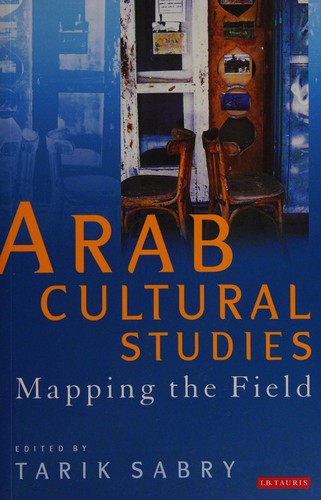
Arab Cultural Studies
0
0
As an Amazon Associate and affiliate partner, Menrva Books earns from qualifying purchases. Learn more
Author Description
With the execution of the Abbasid caliph in Al-Musta'sim in 1258, Sunni authority and legitimacy in Baghdad began to disintegrate, and the recently established Delhi Sultanate became a new focus for the development of Muslim societies amidst a global shift in Islamic authority. Here Blain Auer investigates the ways three historians living in India during the thirteenth and fourteenth centuries, Minhaj Siraj Juzjani, Ziya' al-Din Barani and al-Din Siraj 'Afif, narrated the religious values of Muslim sovereigns through the process of history writing. Aiding the project of empire building, these historians and intellectuals drew up an idea of an Islamic heritage that invented and reinterpreted conceptions of a historically rooted Muslim authority. With fresh insights on the intersections between religion, politics and historiography, this book will be indispensable for all those interested in Islamic studies, history, religion, politics and South Asia.--Bloomsbury publishing.
Menrva's Summary
THE THESIS
This book investigates how medieval Indian historians shaped the narrative of Muslim sovereignty and Islamic heritage during a period of shifting global Islamic authority. The text examines the works of three historians—Minhaj Siraj Juzjani, Ziya' al-Din Barani, and al-Din Siraj 'Afif—who wrote in India during the thirteenth and fourteenth centuries. It explores how they narrated the religious values of Muslim rulers through their historical accounts, thereby aiding the project of empire building. The book offers fresh insights into the complex intersections between religion, politics, and historiography in the context of the Delhi Sultanate.
THE SCOPE MAP
- Analysis of the historical writings of Minhaj Siraj Juzjani, Ziya' al-Din Barani, and al-Din Siraj 'Afif.
- Exploration of the disintegration of Sunni authority in Baghdad following the execution of the Abbasid caliph in 1258.
- Examination of the Delhi Sultanate as a new focus for Muslim societies amidst global shifts in Islamic authority.
- Investigation into how these historians constructed an idea of Islamic heritage to support empire building.
- Discussion of the reinterpretation of conceptions of historically rooted Muslim authority.
- Focus on the intersections between religion, politics, and historiography in medieval India.
- Analysis of the religious values attributed to Muslim sovereigns through historical writing.
THE AUTHORITY PERSPECTIVE
The book is presented as an indispensable resource for those interested in Islamic studies, history, religion, politics, and South Asia. Its focus on the narrative construction of Muslim sovereignty and heritage by medieval Indian historians offers a unique perspective on the period. The work is noted for its fresh insights into the interplay of religion, politics, and historiography. The analysis of how intellectuals contributed to empire building through historical writing is a key contribution.
Page Count:
321
Publication Date:
2012-01-01
ISBN-10:
1848855583
ISBN-13:
9781848855588
Non-Fiction
Politics
History
Community Tags
Similar Books














