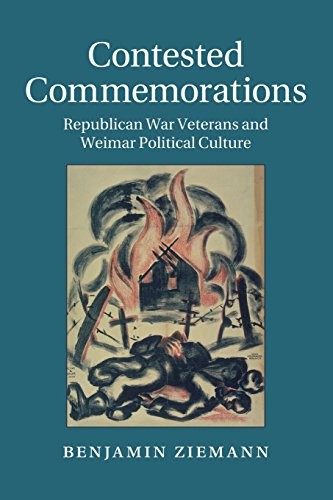
Contested Commemorations
0
0
As an Amazon Associate and affiliate partner, Menrva Books earns from qualifying purchases. Learn more
Author Description
This innovative study of remembrance in Weimar Germany analyses how experiences and memories of the Great War were transformed along political lines after 1918. Examining the symbolism, language and performative power of public commemoration, Benjamin Ziemann reveals how individual recollections fed into the public narrative of the experience of war. Challenging conventional wisdom that nationalist narratives dominated commemoration, this book demonstrates that Social Democrat war veterans participated in the commemoration of the war at all levels: supporting the 'no more war' movement, mourning the fallen at war memorials and demanding a politics of international solidarity. It describes how the moderate Socialist Left related the legitimacy of the Republic to their experiences in the Imperial army and acknowledged the military defeat of 1918 as a moment of liberation. This is the first comprehensive analysis of war remembrances in post-war Germany and a radical reassessment of the democratic potential of the Weimar Republic.
Menrva's Summary
THE THESIS
This book investigates how the memory of World War I was shaped and contested in Weimar Germany. Benjamin Ziemann, drawing on extensive research into symbolism, language, and public commemoration, analyzes how individual recollections of the Great War were transformed along political lines after 1918. The study challenges the notion that nationalist narratives exclusively dominated remembrance, instead highlighting the active participation of Social Democrat war veterans in commemorating the war. It details how these veterans supported peace movements, mourned the fallen, and advocated for international solidarity, linking the Republic's legitimacy to their military experiences and viewing the 1918 defeat as a liberation.
THE SCOPE MAP
- Analysis of the transformation of World War I experiences and memories in Weimar Germany.
- Examination of the symbolism, language, and performative power of public commemoration.
- Exploration of how individual recollections fed into the public narrative of the war experience.
- Demonstration of Social Democrat war veterans' participation in commemoration at all levels.
- Discussion of the 'no more war' movement and the mourning of fallen soldiers.
- Analysis of the demand for a politics of international solidarity by veterans.
- Examination of the moderate Socialist Left's relationship between the Republic's legitimacy and their army experiences.
- Reassessment of the democratic potential of the Weimar Republic through the lens of war remembrance.
THE AUTHORITY PERSPECTIVE
This book is recognized as a significant contribution to the understanding of post-war German memory, offering a comprehensive analysis of war remembrances in Weimar Germany. It provides a radical reassessment of the democratic potential of the Weimar Republic by challenging conventional wisdom regarding nationalist dominance in commemoration. The work is noted for its detailed examination of how Social Democrat veterans actively engaged with and shaped public memory of the Great War. Its findings suggest a more complex and nuanced picture of remembrance than previously understood, highlighting the role of socialist veterans in advocating for peace and international solidarity.
Page Count:
328
Publication Date:
2013-01-01
ISBN-10:
1107028892
ISBN-13:
9781107028890
History
Politics
Non-Fiction
Social History
Community Tags
Similar Books