The Vagabond
0
0
As an Amazon Associate and affiliate partner, Menrva Books earns from qualifying purchases. Learn more
Author Description
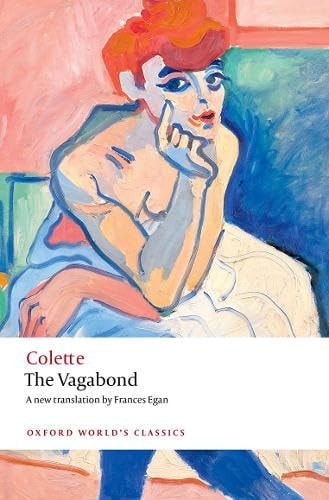
'Nothing is real except the dance, the light, the freedom, the music.'Colette's semi-autobiographical novel The Vagabond (1910) follows thirty-three-year-old Renée Néré as she embarks on a stage career after a divorce from philandering ex-husband, painter Adolphe Taillandy. Unlike the earlier Claudine series, which began as a collaboration between Colette and her first husband, Colette worked alone on The Vagabond to create a leading lady navigating the Parisian working world on her own terms. The music hall performers are Renée's familiars and confidants, her fellow vagabonds; for the first time, the reader is offered a look behind the scenes from a woman's perspective, a view enabled by Colette's own simultaneous experience as writer and dancer. Unambiguously feminist and unabashedly sensual, The Vagabond established Colette as a serious novelist, showcasing her talent as an observer of the natural world and a painter of the beauty of the human form.Frances Egan's new translation provides a fresh take on Colette's voice, offering a highly readable text which pulls readers into Renée's world, while preserving as much of the original context as possible to bring Paris, the music hall, and its crew of vagabonds, to life. Attention is paid to Colette's depiction of class, race, and gender. Helen Southworth's in-depth introduction places the book in the context of Colette's life, offers background on Belle Epoque theatre and feminisms, and traces its reception and its importance to readers from Colette's time to our own.ABOUT THE SERIES: For over 100 years Oxford World's Classics has made available the widest range of literature from around theglobe. Each affordable volume reflects Oxford's commitment to scholarship, providing the most accurate text plus a wealth of othervaluable features, including expert introductions by leading authorities, helpful notes to clarify the text, up-to-date bibliographies forfurther study, and much more.
Menrva's Summary
THE PULSE
Renée Néré, a woman recently liberated from a stifling marriage, must navigate the precarious independence of a Parisian stage career while resisting the pull of a new, potentially confining romantic attachment. Following her divorce from a philandering painter, Renée finds solace and identity within the transient world of music hall performance. She struggles to balance her newfound professional autonomy against the societal expectations of domesticity and the persistent advances of a wealthy suitor. The narrative, presented with a sharp, observant eye, captures the physical exhaustion and sensory richness of the Belle Epoque theater scene. Through a deeply personal lens, the text examines the tension between the desire for solitude and the human need for connection.
INSIDE THE PAGES
- First-person narrative perspective providing intimate access to the protagonist's internal monologue.
- Vivid, sensory-rich descriptions of the Parisian music hall environment and backstage life.
- Exploration of the socio-economic realities faced by independent working women in the early 20th century.
- Detailed character studies of the transient, bohemian community of performers.
- Themes of female autonomy and the rejection of traditional marital roles.
- Stylistic focus on the natural world and the aesthetics of the human form.
- Semi-autobiographical elements reflecting the author's own history as a dancer and writer.
- Critical examination of class dynamics and gender performance within the Belle Epoque.
THE COLLECTIVE ECHO
Readers and critics frequently highlight the novel's evocative prose and its candid portrayal of a woman reclaiming her agency. Discussion often centers on the protagonist's internal conflict regarding her independence versus the allure of romantic companionship. Many observers praise the atmospheric world-building that brings the gritty, glamorous reality of the music hall to life. The work is widely recognized for its early feminist themes and its departure from the author's previous collaborative projects. Scholars often note the balance between the protagonist's sensory experiences and her philosophical reflections on freedom.
Page Count:
224
Publication Date:
2025-12-11
Publisher:
Oxford University Press
ISBN-10:
0198881584
ISBN-13:
9780198881582
Contemporary
Historical Fiction
Classic Literature
Genre Fiction
Biographical
French literature
City Life
Feminist