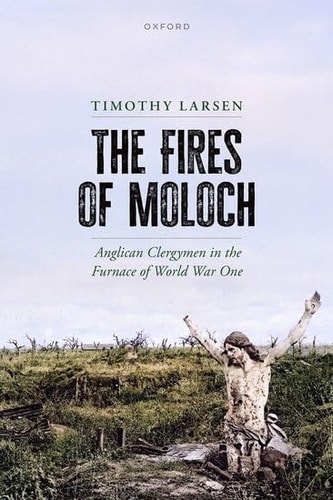
The Fires of Moloch: Anglican Clergymen in the Furnace of World War One
0
0
As an Amazon Associate and affiliate partner, Menrva Books earns from qualifying purchases. Learn more
Author Description
Britain Lost More Lives In World War One Than In Any Other Conflict In Its Entire History. During One Of The Great War's Bloodiest Battles, Passchendaele, Seventeen Church Of England Clergymen Serving As Temporary Military Chaplains Contributed To The Church In The Furnace (1917). They Sought To Explain How The Church Needed To Change In The Light Of The War. Their Thoughts Were Considered Radical, And Their Prose Hard-hitting. They Demanded Significant And Immediate Reforms. These Padres Lived Through The Horrors Of 1914-18. Some Were Wounded, Some Were Gassed. Some Were Awarded The Military Cross, The Distinguished Service Order, Or Other Honours. They Decided That The War Was Meaningless, But If They Could Only Do Something Important That Truly Mattered After The War Then The Fallen Would Not Have Died In Vain: They Could Make Their Deaths Retrospectively Meaningful. The Fires Of Moloch Is A Group Biography Of A Generation That Endured Two World Wars, A Generation That Lived From The Victorian Age To The Atomic Age. Their Brothers Died In The First World War; Their Sons In The Second World War. Many Of Them Went On To Become Bishops And Thus To Feel The Burden Of Leading Rather Than Merely Criticizing. They Sought To Find A Cause Worthy Of The Sacrifices In The Fields And Trenches Of France And Flanders, Whether It Was Social Reform, The League Of Nations, Ecumenism, Improved Housing, Prayer, Pacificism, Or Something Else.
Menrva's Summary
THE THESIS
This work investigates how seventeen Anglican chaplains, traumatized by the carnage of World War I, attempted to reconcile their faith with the horrors of modern warfare and sought to justify the sacrifice of the fallen through post-war social and ecclesiastical reform. Timothy Larsen, a historian of religion, utilizes the collective biography of these specific clergymen to examine the intersection of personal trauma and institutional change. By tracing their lives from the Victorian era through the Second World War, the author argues that these men transitioned from radical critics in the trenches to influential leaders who sought to imbue the war's devastation with retrospective meaning through various social and religious causes.
THE SCOPE MAP
What You Will Find
- A detailed group biography of seventeen Church of England chaplains who served during the First World War.
- Analysis of the 1917 publication 'The Church in the Furnace' and its radical proposals for ecclesiastical reform.
- Historical context regarding the transition of these figures from battlefield witnesses to post-war bishops and leaders.
- Examination of diverse post-war movements including ecumenism, pacifism, and social housing reform as responses to wartime loss.
THE AUTHORITY PERSPECTIVE
Historians and scholars of twentieth-century British religion recognize this text as a significant contribution to understanding the psychological and institutional impact of the Great War on the Anglican clergy. Readers frequently note the author's ability to balance intimate biographical detail with broader theological and social history.
Page Count:
272
Publication Date:
2025-12-04
Publisher:
Oxford University Press
ISBN-10:
0198887752
ISBN-13:
9780198887751
Biography
Religion
History
Military History
Church Leadership
Community Tags
Similar Books