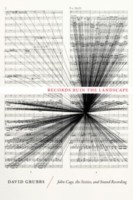
Records Ruin The Landscape
0
0
As an Amazon Associate and affiliate partner, Menrva Books earns from qualifying purchases. Learn more
Author Description
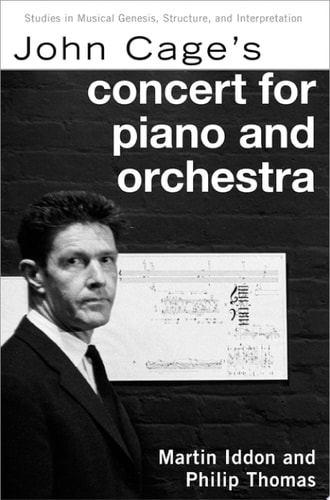
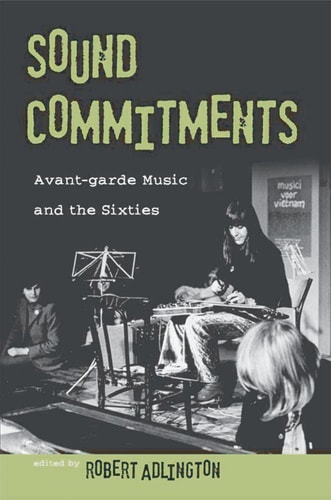
John Cage's disdain for records was legendary. He repeatedly spoke of the ways in which recorded music was antithetical to his work. In Records ruin the landscape, David Grubbs argues that, following Cage, new genres in experimental and avant-garde music in the 1960s were particularly ill suited to be represented in the form of a recording. These activities include indeterminate music, long-duration minimalism, text scores, happenings, live electronic music, free jazz, and free improvisation.
Menrva's Summary
THE THESIS
This book investigates the inherent conflict between avant-garde musical practices of the 1960s and the medium of recorded sound. David Grubbs, drawing inspiration from John Cage's critique of recordings, posits that genres such as indeterminate music, minimalism, text scores, happenings, live electronics, free jazz, and free improvisation were fundamentally ill-suited for representation as commercial recordings. The work explores how the constraints and conventions of the record format actively worked against the principles of these experimental forms, shaping their reception and dissemination.
THE SCOPE MAP
- Analysis of John Cage's critique of recorded music and its influence.
- Examination of experimental music genres from the 1960s (indeterminate music, minimalism, text scores, happenings, live electronics, free jazz, free improvisation).
- Exploration of the ways in which the recording medium (vinyl records, tapes) was antithetical to the core tenets of these musical practices.
- Discussion of how the act of recording and distributing music shaped the perception and evolution of avant-garde music.
- Consideration of the relationship between musical performance, ephemerality, and the fixed nature of recordings.
- Case studies of specific artists and movements that grappled with the recording dilemma.
- Theoretical framework for understanding the impact of media on artistic form and reception.
THE AUTHORITY PERSPECTIVE
The book is recognized for its rigorous academic approach to the intersection of experimental music and recording technology. Grubbs's argument, rooted in Cage's influential skepticism, provides a critical lens through which to re-examine the development of avant-garde music in the mid-20th century. The work is likely to appeal to scholars of musicology, cultural studies, and those interested in the history of experimental and popular music. Its detailed analysis offers a nuanced perspective on how artistic forms are shaped by their media of dissemination.
Page Count:
220
Publication Date:
2014-01-01
ISBN-10:
0822355906
ISBN-13:
9780822355908
Music
History
Non-Fiction
Avant-garde
Music History
Musicology
Community Tags
Similar Books