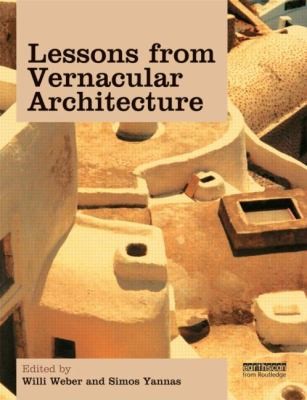
Lessons From Traditional Architecture: Achieving Climatic Buildings By Studying The Past
0
0
As an Amazon Associate and affiliate partner, Menrva Books earns from qualifying purchases. Learn more
Author Description
The architectural community has had a strong and continuing interest in traditional and vernacular architecture. This has been rekindled by the need to develop an architecture that works with climate, rather than against it, to create more sustainable buildings. Most earlier research and existing publications on traditional or vernacular architecture have followed an anthropological or archaeological approach, whereas books on climatic design and sustainable architecture tend to refer to contemporary principles and built precedents without direct reference to past experience. Lessons from Traditional Architecture takes lessons directly from traditional and vernacular architecture and offers them to the reader as guidance and inspiration for new buildings. The appropriate technical and social solutions provided by vernacular and traditional architecture are analysed in detail. International case studies focus on environmental design aspects of traditional architecture in a broad range of climatic conditions and building types
Menrva's Summary
THE THESIS
This book investigates how traditional and vernacular architecture offer crucial lessons for developing climate-responsive and sustainable modern buildings. The author, Willi Weber, draws upon extensive research into historical building practices, analyzing the technical and social solutions employed in diverse climatic conditions and building types. By examining international case studies, the book aims to provide architects with direct guidance and inspiration from the environmental design principles embedded in past architectural achievements, bridging the gap between historical wisdom and contemporary sustainable design.
THE SCOPE MAP
- Analysis of technical and social solutions from traditional and vernacular architecture.
- International case studies focusing on environmental design aspects.
- Exploration of traditional architecture across a broad range of climatic conditions.
- Examination of diverse building types and their climatic responsiveness.
- Guidance and inspiration for new, sustainable building designs.
- Bridging the gap between historical architectural knowledge and contemporary principles.
- Focus on creating buildings that work with climate, rather than against it.
THE AUTHORITY PERSPECTIVE
The book is positioned as a valuable resource for architects seeking to integrate climate-responsive design principles into contemporary projects. By directly referencing traditional and vernacular architecture, it aims to offer practical lessons and inspiration often overlooked in modern sustainable design discourse. The approach emphasizes analyzing specific technical and social solutions from historical precedents across various climates and building types. This focus suggests a text that is both informative for practitioners and academically grounded in historical analysis.
Page Count:
215
Publication Date:
2012-01-01
ISBN-10:
1844076008
ISBN-13:
9781844076000
History
Architecture
Non-Fiction
Sustainability
Community Tags
Similar Books