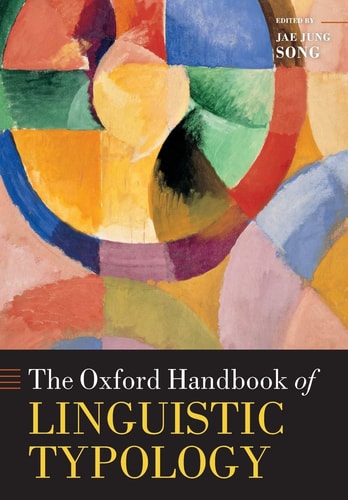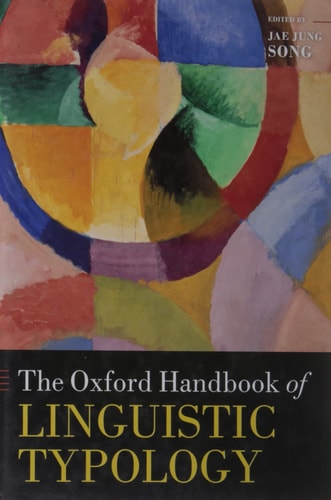
The Oxford Handbook of Linguistic Typology
0
0
As an Amazon Associate and affiliate partner, Menrva Books earns from qualifying purchases. Learn more
Author Description
This handbook provides a critical state-of-the-art overview of work in linguistic typology. It examines the directions and challenges of current research and shows how these reflect and inform work on the development of linguistic theory. It describes what typologists have revealed about language in general and discovered (and continue to discover) about the richly various ways in which meaning and expression are achieved in the world's languages.Typological research extends across all branches of linguistics. The degree to which the characteristics of language are universal or particular is crucial to the understanding of language and its relation to human nature and culture. This book is an essential source of reference for linguists of all theoretical persuasions. It is a vital companion for all those working in linguistic typology or undertaking linguistic fieldwork on one or more languages.
Menrva's Summary
THE THESIS
This handbook investigates the current state of linguistic typology, addressing the core question of how language variation and universal patterns inform our understanding of human communication. Edited by Jae Jung Song, the text synthesizes diverse research methodologies to evaluate how different languages achieve meaning and expression. It serves as a comprehensive framework for connecting typological findings to broader linguistic theory and the study of human nature.
THE SCOPE MAP
What You Will Find
- A critical overview of contemporary research directions and challenges in linguistic typology.
- Analysis of the relationship between linguistic universals and language-specific characteristics.
- Methodological insights for conducting linguistic fieldwork across diverse language families.
- Theoretical discussions on how typological data informs general linguistic theory.
THE AUTHORITY PERSPECTIVE
Experts and academics recognize this volume as a foundational reference for both students and established researchers in the field of linguistics. Readers frequently note the high academic density of the prose, which provides a rigorous and comprehensive survey of the discipline's current landscape.
Page Count:
704
Publication Date:
2010-11-19
Publisher:
Oxford University Press
ISBN-10:
0199281254
ISBN-13:
9780199281251
Non-Fiction
Reference
Linguistics
Language
Academic