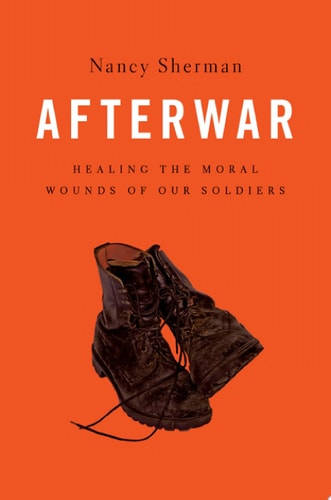
Afterwar: Healing the Moral Wounds of Our Soldiers
0
0
As an Amazon Associate and affiliate partner, Menrva Books earns from qualifying purchases. Learn more
Author Description
Movies like American Sniper and The Hurt Locker hint at the inner scars our soldiers incur during service in a war zone. The moral dimensions of their psychological injuries--guilt, shame, feeling responsible for doing wrong or being wronged-elude conventional treatment. Georgetown philosophy professor Nancy Sherman turns her focus to these moral injuries in Afterwar. She argues that psychology and medicine alone are inadequate to help with many of the most painful questions veterans are bringing home from war. Trained in both ancient ethics and psychoanalysis, and with twenty years of experience working with the military, Sherman draws on in-depth interviews with servicemen and women to paint a richly textured and compassionate picture of the moral and psychological aftermath of America's longest wars. She explores how veterans can go about reawakening their feelings without becoming re-traumatized; how they can replace resentment with trust; and the changes that need to be made in order for this to happen-by military courts, VA hospitals, and the civilians who have been shielded from the heaviest burdens of war.2.6 million soldiers are currently returning home from war, the greatest number since Vietnam. Facing an increase in suicides and post-traumatic stress, the military has embraced measures such as resilience training and positive psychology to heal mind as well as body. Sherman argues that some psychological wounds of war need a kind of healing through moral understanding that is the special province of philosophical engagement and listening.
Menrva's Summary
THE THESIS
This book investigates the limitations of conventional psychological and medical treatments in addressing the moral injuries sustained by soldiers during modern warfare. Nancy Sherman, a professor of philosophy at Georgetown with two decades of experience working alongside the military, argues that the profound guilt, shame, and ethical confusion experienced by veterans require a framework rooted in ancient ethics and philosophical inquiry. By synthesizing clinical insights with moral philosophy, she posits that true healing necessitates a societal and institutional shift in how civilians and military systems engage with the aftermath of combat.
THE SCOPE MAP
What You Will Find
- Analysis of moral injury, including guilt, shame, and the ethical burden of combat.
- A critique of current military resilience training and positive psychology models.
- Qualitative data derived from in-depth interviews with returning servicemen and women.
- Proposed systemic changes for military courts, VA hospitals, and civilian engagement.
THE AUTHORITY PERSPECTIVE
Experts and readers recognize this work as a significant contribution to the intersection of ethics and military mental health. The text is frequently cited for its ability to bridge the gap between academic philosophy and the practical, lived experiences of veterans returning from conflict.
Page Count:
234
Publication Date:
2015-01-01
Publisher:
Oxford University Press
ISBN-10:
0199325294
ISBN-13:
9780199325290
Psychology
Philosophy
Veterans
Soldiers
Mental Illness
Ethics
Combat
Sociology
Military
Community Tags
Other Editions(2)

Similar Books