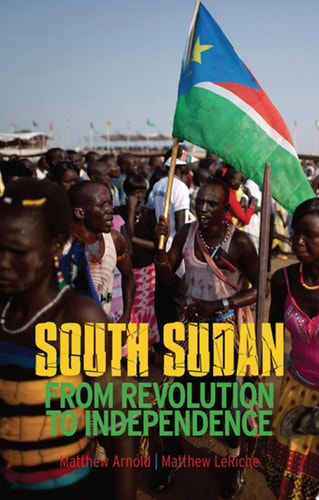
South Sudan: From Revolution to Independence
0
0
As an Amazon Associate and affiliate partner, Menrva Books earns from qualifying purchases. Learn more
Author Description
In July 2011 the Republic of South Sudan achieved independence, concluding what had been Africa's longest running civil war. The process leading to independence was driven by the Sudan Peoples' Liberation Movement, a primarily Southern rebel force and political movement intent on bringing about the reformed unity of the whole Sudan. Through the Comprehensive Peace Agreement of 2005, a six year peace process unfolded in the form of an interim period premised upon 'making unity attractive' for the Sudan. A failed exercise, it culminated in an almost unanimous vote for independence by Southerners in a referendum held in January 2011. Violence has continued since, and a daunting possibility for South Sudan has arisen - to have won independence only to descend into its own civil war, with the regime in Khartoum aiding and abetting factionalism to keep the new state weak and vulnerable. Achieving a durable peace will be a massive challenge, and resolving the issues that so inflamed Southerners historically - unsupportive governance, broad feelings of exploitation and marginalisation and fragile ethnic politics - will determine South Sudan's success or failure at statehood. A story of transformation and of victory against the odds, this book reviews South Sudan's modern history as a contested region and assesses the political, social and security dynamics that will shape its immediate future as Africa's newest independent state.
Menrva's Summary
THE THESIS
This book investigates the complex political, social, and security dynamics that led to South Sudan's independence and the subsequent challenges the new nation faces in maintaining statehood. Authors Matthew B. Arnold and Matthew LeRiche utilize their expertise in regional conflict and governance to analyze the transition from the Sudan Peoples' Liberation Movement's revolutionary struggle to the realities of post-independence administration. They argue that the failure of the Comprehensive Peace Agreement to foster unity necessitated a new state, yet the legacy of marginalization and ethnic factionalism continues to threaten the country's stability.
THE SCOPE MAP
What You Will Find
- A detailed historical analysis of the Sudan Peoples' Liberation Movement and the 2005 Comprehensive Peace Agreement.
- An assessment of the political and security factors influencing the relationship between Khartoum and the new Republic of South Sudan.
- Examination of internal social dynamics, including ethnic politics and governance challenges.
- A critical review of the transition from a rebel force to a sovereign government.
THE AUTHORITY PERSPECTIVE
Experts and regional analysts frequently cite this work as a foundational text for understanding the structural vulnerabilities of the world's youngest nation. Readers often note the academic rigor and the clear, objective assessment of the historical forces that continue to shape South Sudanese politics today.
Page Count:
256
Publication Date:
2012-10-23
Publisher:
Oxford University Press
ISBN-10:
0199327904
ISBN-13:
9780199327904
History
Politics
New Used & Rental Textbooks
North Africa
Sudan history
World politics
Sudan
International relations
War and Conflict
Politics & Government
African history
Community Tags
Similar Books