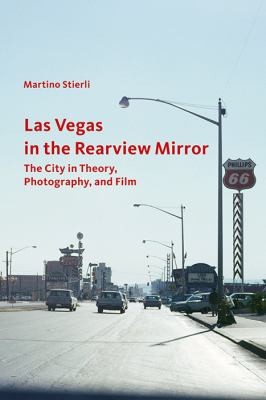
Las Vegas in the Rearview Mirror: The City in Theory, Photography, and Film
0
0
As an Amazon Associate and affiliate partner, Menrva Books earns from qualifying purchases. Learn more
Author Description
For their seminal work Learning from Las Vegas, Robert Venturi, Denise Scott Brown, and Steven Izenour documented a sprawling postwar American city from a moving car. Martino Stierli examines their cinematic methodology against the background of contemporary photography and pop and conceptual art, including the work of artists Ed Ruscha and Stephen Shore, while highlighting Los Angeles as a cultural, urban, and architectural hot spot of the period. He considers how this approach relates to sociological theories and the phenomenology of urban spaces. He also sheds light on the polemics and controversies triggered by Learning from Las Vegas in architectural discourse and discusses them against models of high and low culture. Using both text and image, Stierli assesses the broad intellectual impact of this architectural manifesto and explains why the lessons from Learning from Las Vegas remain relevant for current debates in architecture and the arts. Learning from Las Vegas, published in 1972 by the architects Robert Venturi, Denise Scott Brown, and Steven Izenour, marks the turn in architectural theory from modern to postmodern. Martino Stierli explores the significance of this controversial publication by situating it in the artistic, architectural, and urbanist discourse of the 1960s and '70s, and by evaluating the book's enduring influence on visual studies and architectural research. Stierli provides an original, indepth analysis of the postmodern image of the city and the representation of urban form in visual media, graphics, and typography. Referencing cinematic visualization, the authors of Learning from Las Vegas documented a sprawling postwar American city from a moving car. Stierli examines this methodology against the background of contemporary pop and conceptual art, including the work of artists Ed Ruscha and Stephen Shore. Using both text and image, Stierli assesses the broad intellectual impact of this architectural man
Menrva's Summary
THE THESIS
This book investigates the theoretical and artistic implications of the seminal architectural publication 'Learning from Las Vegas' by examining its cinematic methodology and its impact on postmodern urban theory. Martino Stierli, a scholar in the field, analyzes the work of Robert Venturi, Denise Scott Brown, and Steven Izenour by situating their documentation of Las Vegas from a moving car within the context of contemporary photography, pop art, and conceptual art. The analysis extends to include the works of artists like Ed Ruscha and Stephen Shore, highlighting Los Angeles as a key cultural and architectural hub. Stierli further explores the book's engagement with sociological theories, the phenomenology of urban spaces, and the debates surrounding high and low culture, ultimately assessing its lasting intellectual influence on architecture and the arts.
THE SCOPE MAP
- Analysis of the cinematic methodology employed in 'Learning from Las Vegas'.
- Examination of contemporary photography, pop art, and conceptual art relevant to the period.
- Discussion of artists Ed Ruscha and Stephen Shore, and their connection to the urban landscape.
- Exploration of Los Angeles as a significant cultural, urban, and architectural center.
- Consideration of sociological theories and the phenomenology of urban spaces.
- Analysis of the polemics and controversies surrounding 'Learning from Las Vegas' within architectural discourse.
- Assessment of the book's impact on models of high and low culture.
- Evaluation of the intellectual impact of the architectural manifesto and its current relevance.
THE AUTHORITY PERSPECTIVE
The book is recognized for its in-depth analysis of the postmodern image of the city and the representation of urban form in visual media, graphics, and typography. It provides an original examination of the significance of 'Learning from Las Vegas' by situating it within the artistic, architectural, and urbanist discourse of the 1960s and '70s. The work evaluates the book's enduring influence on visual studies and architectural research, highlighting its continued relevance for current debates in architecture and the arts. The author's approach, using both text and image, assesses the broad intellectual impact of this architectural manifesto.
Page Count:
352
Publication Date:
2013-01-01
ISBN-10:
1606061372
ISBN-13:
9781606061374
Travel
Non-Fiction
History
Photography
Art
Architecture
Film Studies
Urban Studies
Art History
Cultural Theory
Community Tags
Similar Books














