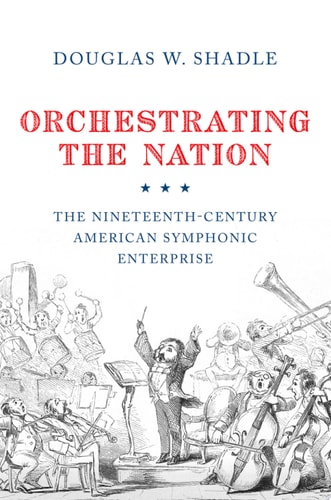
Orchestrating The Nation
0
0
As an Amazon Associate and affiliate partner, Menrva Books earns from qualifying purchases. Learn more
Author Description
During The Nineteenth Century, Nearly One Hundred Symphonies Were Written By Over Fifty Composers Living In The United States. With Few Exceptions, This Repertoire Is Virtually Forgotten Today. In Orchestrating The Nation: The Nineteenth-century American Symphonic Enterprise, Author Douglas W. Shadle Explores The Stunning Stylistic Diversity Of This Substantial Repertoire And Uncovers Why It Failed To Enter The Musical Mainstream. Throughout The Century, Americans Longed For A Distinct National Musical Identity. As The Most Prestigious Of All Instrumental Genres, The Symphony Proved To Be A Potent Vehicle In This Project As Composers Found Inspiration For Their Works In A Dazzling Array Of Subjects, Including Niagara Falls, Hiawatha, And Western Pioneers. With A Wealth Of Musical Sources At His Disposal, Including Never-before-examined Manuscripts, Shadle Reveals How Each Component Of The Symphonic Enterprise-from Its Composition, To Its Performance, To Its Immediate And Continued Reception By Listeners And Critics-contributed To Competing Visions Of American Identity. Employing An Innovative Transnational Historical Framework, Shadle's Narrative Covers Three Continents And Shows How The Music Of Major European Figures Such As Beethoven, Schumann, Wagner, Liszt, Brahms, And Dvorák Exerted Significant Influence Over Dialogues About The Future Of American Musical Culture. Shadle Demonstrates That The Perceived Authority Of These Figures Allowed Snobby Conductors, Capricious Critics, And Even Orchestral Musicians Themselves To Thwart The Efforts Of American Symphonists Despite Widespread Public Support Of Their Music. Consequently, These Works Never Entered The Performing Canons Of American Orchestras. An Engagingly Written Account Of A Largely Unknown Repertoire, Orchestrating The Nation Shows How Artistic And Ideological Debates From The Nineteenth Century Continue To Shape The Culture Of American Orchestral Music Today.
Menrva's Summary
THE THESIS
This book investigates why nearly one hundred symphonies composed in the United States during the nineteenth century failed to secure a permanent place in the modern musical canon. Douglas W. Shadle, a musicologist specializing in American symphonic history, utilizes a wealth of primary source material, including previously unexamined manuscripts, to reconstruct the nineteenth-century American symphonic enterprise. He argues that the struggle for a distinct national musical identity was hindered by the overwhelming influence of European masters and the gatekeeping practices of conductors and critics who prioritized established foreign traditions over domestic innovation.
THE SCOPE MAP
What You Will Find
- A comprehensive survey of nearly one hundred symphonies composed by over fifty American composers during the nineteenth century.
- An analysis of the transnational historical framework connecting American musical development to European figures like Beethoven, Wagner, and Dvorák.
- Examination of the institutional barriers created by conductors, critics, and orchestral musicians that prevented American works from entering the performing canon.
- Case studies illustrating how composers drew inspiration from American subjects such as Niagara Falls, Hiawatha, and the Western frontier.
THE AUTHORITY PERSPECTIVE
Scholars and music historians recognize this work as a significant contribution to the study of American musical identity and the institutional history of the orchestra. Readers frequently note the meticulous research and the author's ability to synthesize complex ideological debates into a coherent historical narrative.
Page Count:
288
Publication Date:
2015-01-01
Publisher:
Oxford University Press
ISBN-10:
0199358664
ISBN-13:
9780199358663
History
Music
Musicology
American History
Community Tags
Similar Books














