Foreign Attachments
0
0
As an Amazon Associate and affiliate partner, Menrva Books earns from qualifying purchases. Learn more
Author Description
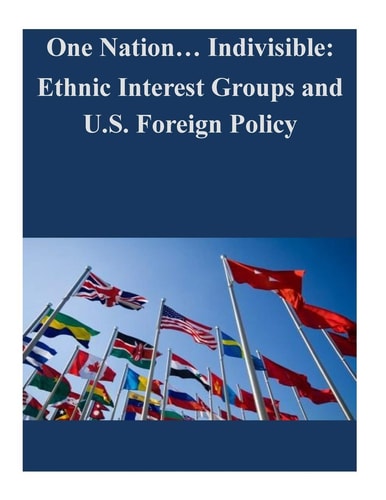
Smith ranges over the history of ethnic group involvement in foreign affairs; he notes the openness of our political system to interest groups; and he investigates the relationship between multiculturalism and U.S. foreign policy. The book has three major propositions. First, ethnic groups play a larger role in American foreign policymaking than is widely recognized. Second, the negative consequences of ethnic group involvement today outweighs the benefits this activism at times confers on America's role in world affairs. And third, the tensions of a pluralist democracy are particularly apparent in the making of foreign policy, where the self-interested demands of a host of domestic actors raise an enduring problem of democratic citizenship - the need to reconcile general and particular interests.--BOOK JACKET.
Menrva's Summary
THE THESIS
This book investigates the significant, yet often underestimated, role of ethnic groups in shaping U.S. foreign policy. Tony Smith, drawing on historical analysis, examines the openness of the American political system to various interest groups and explores the complex relationship between multiculturalism and foreign policy decisions. The central argument posits that ethnic group involvement in foreign policymaking is more substantial than commonly perceived, and that the contemporary drawbacks of this activism often overshadow its potential benefits to America's global standing. Furthermore, the book highlights how the inherent tensions of a pluralist democracy are particularly pronounced in foreign policy, where the pursuit of particular interests by domestic actors presents a persistent challenge to democratic citizenship.
THE SCOPE MAP
- Historical overview of ethnic group involvement in U.S. foreign affairs.
- Analysis of the U.S. political system's receptiveness to interest groups.
- Investigation into the intersection of multiculturalism and U.S. foreign policy.
- Proposition 1: Ethnic groups exert a greater influence on foreign policy than widely acknowledged.
- Proposition 2: The negative consequences of ethnic group activism in foreign policy currently outweigh the benefits.
- Proposition 3: The challenges of reconciling general and particular interests in a pluralist democracy are evident in foreign policy formulation.
THE AUTHORITY PERSPECTIVE
The book is recognized for its comprehensive examination of ethnic group influence on American foreign policy, offering a historical perspective on the dynamics of interest groups within the U.S. political system. Its core propositions suggest a critical look at the impact of multiculturalism on international relations and the inherent difficulties in balancing diverse domestic demands with national interests. The work is noted for its detailed analysis of how pluralist democracy navigates the complexities of foreign policy decision-making. It addresses the enduring problem of democratic citizenship in reconciling specific group interests with broader national objectives.
Page Count:
190
Publication Date:
2000-01-01
ISBN-10:
0674002946
History
Non-Fiction
Politics
Foreign Policy
Interest Groups
Sociology