American Conspiracy Theories
0
0
As an Amazon Associate and affiliate partner, Menrva Books earns from qualifying purchases. Learn more
Author Description
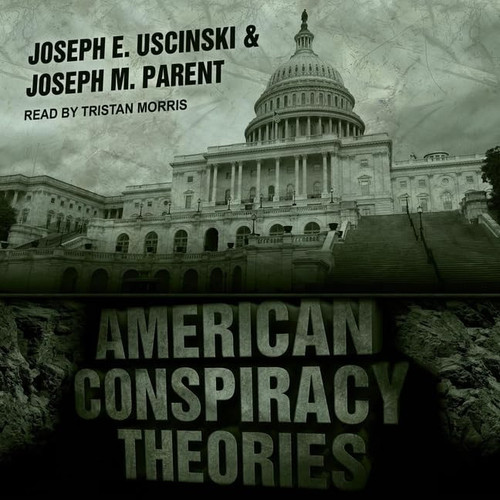
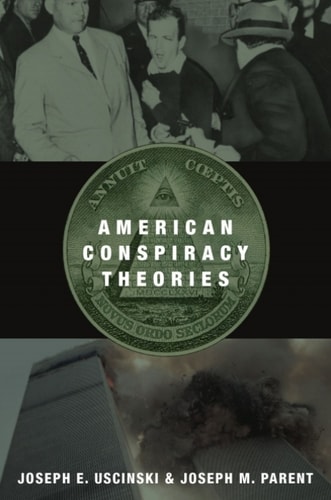
We are living in an age of conspiracy theories, whether it's enduring, widely held beliefs such as government involvement in the Kennedy assassination or alien activity at Roswell, fears of a powerful infiltrating group such as the Illuminati, Jews, Catholics, or communists, or modern fringe movements of varying popularity such as birtherism and trutherism. What is it in American culture that makes conspiracy theories proliferate? Who is targeted, and why? Are we in the heyday of the conspiracy theory, or is it in decline?Though there is significant scholarly literature on the topic in psychology, sociology, philosophy, and more, American Conspiracy Theories is the first to use broad, long-term empirical data to analyze this popular American tendency. Joseph E. Uscinski and Joseph M. Parent draw on three sources of original data: 120,000 letters to the editor of the New York Times and Chicago Tribune from between 1890 and 2010; a two-wave survey from before and after the 2012 presidential election; and discussions of conspiracy theories culled from online news sources, blogs, and other Web sites, also from before and after the election. Through these sources, they are able to address crucial questions, such as similarities and differences in the nature of conspiracy theories over time, the role of the Internet and communications technologies in spreading modern conspiracy theories, and whether politics, economics, media, war, or other factors are most important in popularizing conspiratorial beliefs. Ultimately, they conclude that power asymmetries, both foreign and domestic, are the main drivers behind conspiracy theories, and that those at the bottom of power hierarchies have a strategic interest in blaming those at the top-in other words, "conspiracy theories are for losers." But these "losers" can end up having tremendous influence on the course of history, and American Conspiracy Theories is an unprecedented examination of one of the defining features of American politics.
Menrva's Summary
THE THESIS
This book investigates the underlying cultural and structural drivers that cause conspiracy theories to proliferate within American society. Authors Joseph E. Uscinski and Joseph M. Parent, both scholars of political science, utilize a rigorous empirical framework to move beyond anecdotal observation. By analyzing over a century of public discourse and original survey data, they argue that conspiratorial thinking is a strategic tool employed by those who perceive themselves as lacking power in political and social hierarchies.
THE SCOPE MAP
What You Will Find
- Longitudinal analysis of 120,000 letters to the editor from the New York Times and Chicago Tribune spanning 1890 to 2010.
- Comparative data from two-wave surveys conducted before and after the 2012 presidential election.
- Examination of online discourse, blogs, and news media to track the spread of modern conspiratorial narratives.
- A theoretical framework linking power asymmetries and political marginalization to the adoption of conspiracy beliefs.
THE AUTHORITY PERSPECTIVE
Experts recognize this work as a foundational empirical study that shifts the conversation from psychological speculation to political sociology. Readers frequently note the academic density of the prose, which provides a data-driven alternative to more speculative literature on the subject.
Page Count:
240
Publication Date:
2014-09-04
Publisher:
Oxford University Press
ISBN-10:
0199351813
ISBN-13:
9780199351817
History
Psychology
Conspiracies
United States
American Studies
Sociology
Community Tags
Other Editions(3)
Similar Books













Reader Comments
Share Your Thoughts
No comments yet. Be the first to share your thoughts!