The Land Reform Deception
Author Description
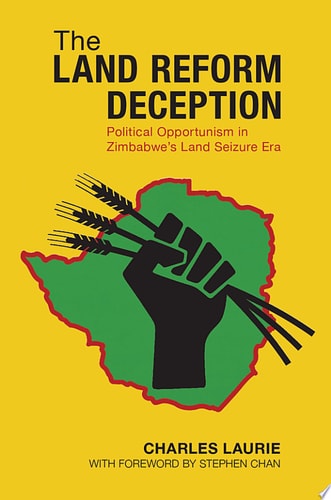
The Land Reform Deception Looks At A Particularly Contentious Period In Zimbabwe's Recent History, From 2000-2008, When The Government Seized Commercial Farms Using Illegal And Violent Methods Against A Largely Unarmed Population Of Farmers And Farm Workers. Robert Mugabe's Government Began The Seizures On A Small, Targeted Scale In An Effort To Suppress Political Opposition Groups, But They Soon Escalated Into An Out-of-control Frenzy Targeting All Farms In The Country. The State Claimed That The Seizures Occurred In Response To A Public Cry For Land Redistribution And To Rectify Colonial-era Injustices, And Were Part Of A Structured Land Reallocation Program. Yet, Land Was Often Distributed Ad Hoc To Those With Little Or No Farming Experience. As A Result, Agricultural Output Contracted And Inflation And Unemployment Rose Dramatically In What Became A Social And Economic Disaster For The Country. In The Land Reform Deception, Charles Laurie Asks Why The State Would Target Its Own Agricultural Industry Using Such Violent Methods And Risk Such Dire Consequences. He Also Seeks To Uncover The Major Actors And Their Motivations And Strategies. Laurie Argues That The Seizure Of The Most Valuable Farms Was Largely Carried Out By Politically Influential Individuals For Financial And Political Gain, Rather Than To Address Historical Injustices. In Fact, He Finds That The Scale On Which The Farm Invasions Were Carried Out And The Violent Methods Used Were Never Part Of A Planned Government Land Policy. Indeed, Laurie Shows That Mugabe Initially Opposed The Seizures, Knowing That They Would Wreck The Economy, Only To Later Support Them In Order To Appease His Supporters And Retain Political Power. Incorporating Unprecedented Empirical Evidence Gathered From In-depth Interviews With Senior Politicians, Members Of The Secretive Central Intelligence Organization, The Military And Police, Along With Farmers And Farm Workers Who Were Targeted During The Invasions, The Land Reform
Menrva's Summary
THE THESIS
This book investigates the underlying motivations and strategic objectives behind the violent seizure of commercial farms in Zimbabwe between 2000 and 2008. Charles Laurie, an expert in regional political risk, utilizes a combination of primary source interviews and empirical data to challenge the state-sanctioned narrative of land redistribution. He argues that the farm invasions were not a structured policy to rectify historical injustices, but rather a calculated maneuver by political elites to consolidate power and secure personal financial gain at the expense of national economic stability.
THE SCOPE MAP
What You Will Find
- A detailed analysis of the Zimbabwean land seizures occurring between 2000 and 2008.
- Empirical evidence derived from interviews with senior politicians, military personnel, and intelligence officers.
- An examination of the economic consequences, including hyperinflation and the collapse of agricultural output.
- A critical assessment of Robert Mugabe's shifting political strategies and his role in the escalation of state-sponsored violence.
THE AUTHORITY PERSPECTIVE
Experts recognize this work as a significant contribution to the study of Zimbabwean political history, noting its reliance on rare, high-level insider testimony. Readers frequently highlight the author's ability to synthesize complex political maneuvers into a clear, evidence-based critique of state policy.
Page Count:
320
Publication Date:
2016-01-01
Publisher:
Oxford University Press
ISBN-10:
0199398305
ISBN-13:
9780199398300
History
Economics
African history
Sociology
Community Tags
Similar Books