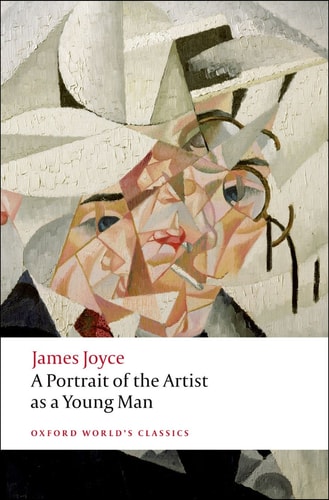
A Portrait of the Artist as a Young Man
0
0
As an Amazon Associate and affiliate partner, Menrva Books earns from qualifying purchases. Learn more
Author Description
'Once upon a time and a very good time it was there was a moocow coming down along the road and this moocow that was coming down along the road met a nicens little boy named baby tuckoo ' So begins one of the most significant literary works of the twentieth century, and one of the most innovative. Its originality shocked contemporary readers on its publication in 1916 who found its treating of the minutiae of daily life indecorous, and its central character unappealing. Was it art or was it filth? The novel charts the intellectual, moral, and sexual development of Stephen Dedalus, from his childhood listening to his father's stories through his schooldays and adolescence to the brink of adulthood and independence, and his awakening as an artist. Growing up in a Catholic family in Dublin in the final years of the nineteenth century, Stephen's consciousness is forged by Irish history and politics, by Catholicism and culture, language and art. Stephen's story mirrors that of Joyce himself, and the novel is both startlingly realistic and brilliantly crafted. For this edition Jeri Johnson, editor of the acclaimed Ulysses 1922 text, has written an introduction and notes which together provide a comprehensive and illuminating appreciation of Joyce's artistry. ABOUT THE SERIES: For over 100 years Oxford World's Classics has made available the widest range of literature from around the globe. Each affordable volume reflects Oxford's commitment to scholarship, providing the most accurate text plus a wealth of other valuable features, including expert introductions by leading authorities, helpful notes to clarify the text, up-to-date bibliographies for further study, and much more.
Menrva's Summary
THE PULSE
Stephen Dedalus struggles to reconcile his burgeoning artistic identity with the rigid constraints of his Catholic upbringing and Irish nationalist heritage. As he moves from childhood to early adulthood, Stephen navigates the suffocating expectations of his family, the church, and the political climate of Dublin. The narrative employs a stream-of-consciousness technique that evolves alongside the protagonist's intellectual maturity. This internal focus forces the reader to experience the world through Stephen's sensory perceptions and philosophical inquiries rather than through traditional linear plotting.
INSIDE THE PAGES
- Stream of consciousness narrative style
- Bildungsroman structure tracking psychological growth
- Dense, lyrical prose reflecting the protagonist's evolving vocabulary
- Exploration of Irish nationalism and political identity
- Examination of Catholic guilt and religious dogma
- Use of sensory-based memory and childhood perspective
- Symbolic representation of the artist as an exile
- Non-linear progression of internal consciousness
THE COLLECTIVE ECHO
Readers and critics frequently highlight the novel's radical departure from traditional Victorian narrative structures. Discussion often centers on the effectiveness of the stream-of-consciousness technique in capturing the raw, unmediated development of a young mind. Many observers note the balance between the protagonist's intense internal monologue and the external pressures of his environment. The work remains a focal point for debates regarding the role of the artist in society and the influence of cultural heritage on individual identity. Scholars often emphasize the precision of the prose and the deliberate evolution of the language as Stephen matures throughout the text.
Page Count:
352
Publication Date:
2008-08-01
Publisher:
Oxford University Press
ISBN-10:
0199536449
ISBN-13:
9780199536443
Literary Fiction
English & College Success
Stephen Dedalus Fictitious character
Coming of Age
Historical
classic
Dublin Ireland
Modernist
English
Artists fiction
Community Tags
Other Editions(22)
Independently published
2024
Default edition
Independently published
2023

Independently published
2023

Independently published
2022
Independently published
2021

Independently published
2021
Independently published
2021

Independently published
2021
Independently published
2020
Createspace Independent Pub
2010

BiblioLife
2008
Oxford University Press
2008
BiblioBazaar
2007

Hard Press
2006
IndyPublish.com
2005

Kessinger Publishing, LLC
2004
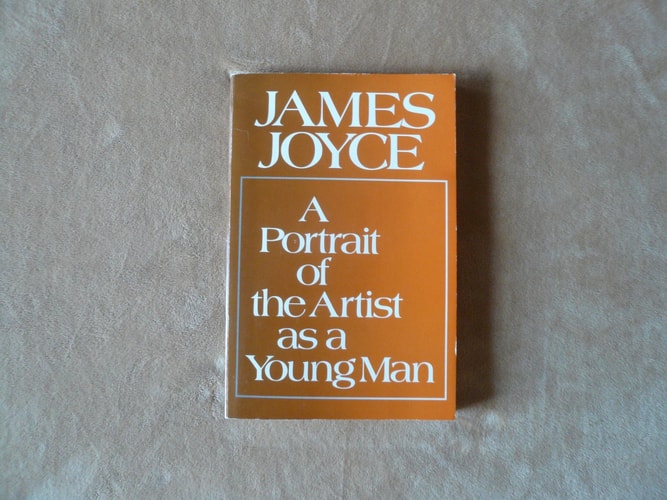
Penguin Books
1982

Viking Adult
1982
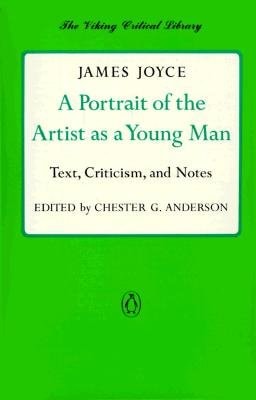
Penguin Books
1977
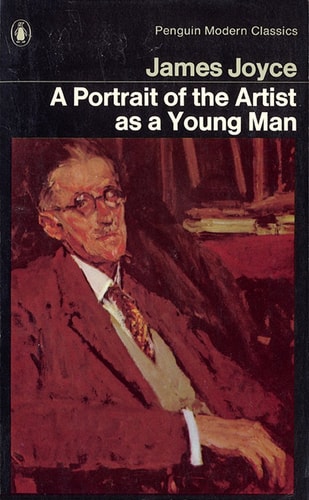
Penguin Books
1969

Viking Adult
1964

Penguin Books
1964


Reader Comments
Share Your Thoughts
No comments yet. Be the first to share your thoughts!