Life's Little Ironies
0
0
As an Amazon Associate and affiliate partner, Menrva Books earns from qualifying purchases. Learn more
Author Description
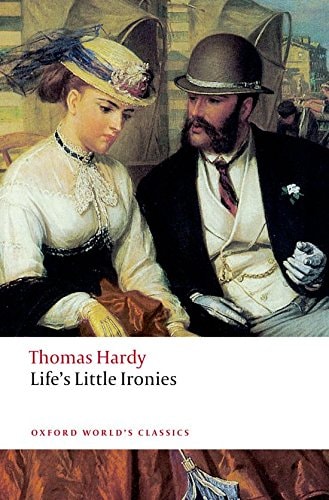
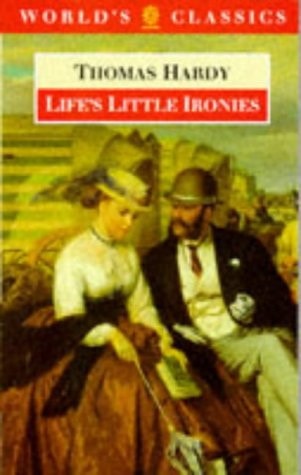
The phrase "life's little ironies" is now proverbial, but it was coined by Hardy as the title for this, his third volume of short stories, including such classics as An Imaginative Woman and A Tragedy of Two Ambitions. Unified by his quintessential irony, strong visual sense, and engaging characters, these stories deal with the tragic and the humorous, the metaphysical and the magical. This edition is the first to be based on a critical examination of all available manuscript and printed versions of the texts.About the Series: For over 100 years Oxford World's Classics has made available the broadest spectrum of literature from around the globe. Each affordable volume reflects Oxford's commitment to scholarship, providing the most accurate text plus a wealth of other valuable features, including expert introductions by leading authorities, voluminous notes to clarify the text, up-to-date bibliographies for further study, and much more.
Menrva's Summary
THE PULSE
The central conflict arises from the unpredictable collision between individual human ambition and the indifferent, often cruel, machinations of fate. Hardy presents a series of vignettes where protagonists strive for personal fulfillment, social advancement, or romantic stability, only to be thwarted by coincidental circumstances or their own flawed perceptions. The narrative framework utilizes a detached, observational tone that emphasizes the irony inherent in everyday existence. These stories operate within the rigid social structures of late 19th-century England, where class expectations and moral codes act as physical and logical constraints on the characters' agency.
INSIDE THE PAGES
- Exploration of the conflict between personal desire and social expectation
- Use of coincidence as a primary driver of plot resolution
- Detailed descriptions of the Wessex landscape as a reflection of character internal states
- Focus on the tragic consequences of minor miscommunications
- Integration of dark humor to highlight the absurdity of human suffering
- Examination of the limitations of Victorian moral frameworks
- Character-driven narratives that prioritize psychological depth over rapid pacing
- Stylistic emphasis on the contrast between human intent and actual outcome
THE COLLECTIVE ECHO
Readers and critics frequently highlight Hardy's mastery of the short story form as a vehicle for his pessimistic yet observant worldview. Discussion often centers on the recurring theme of 'irony' as a structural device that exposes the fragility of human plans. Many appreciate the balance between the author's strong visual sense of the English countryside and the internal psychological struggles of his characters. The collection is noted for its ability to shift effectively between the tragic and the humorous, providing a comprehensive look at the human condition. Scholars often point to this volume as a foundational example of how Victorian realism began to incorporate more complex, metaphysical questions about the nature of destiny.
Page Count:
251
Publication Date:
2008-10-15
Publisher:
Oxford University Press
ISBN-10:
0199549699
ISBN-13:
9780199549696
Classic Literature
Victorian
Short Stories
Realism
England
Community Tags
Other Editions(12)

Alpha Editions
2023
Default edition
Independently Published
2019
CreateSpace Independent Publishing Platform
2018

CreateSpace Independent Publishing Platform
2018

CreateSpace Independent Publishing Platform
2018

CreateSpace Independent Publishing Platform
2017

CreateSpace Independent Publishing Platform
2017
CreateSpace Independent Publishing Platform
2015

ReadHowYouWant.com, Limited
2009
Oxford University Press
2008
1998
Oxford University Press
1996
Similar Books


Reader Comments
Share Your Thoughts
No comments yet. Be the first to share your thoughts!