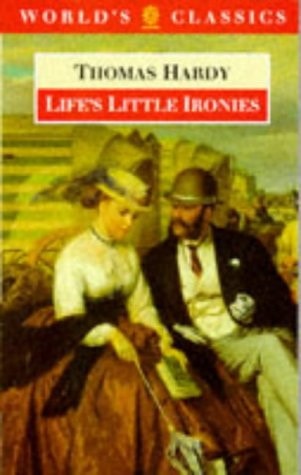
Life's Little Ironies
0
0
As an Amazon Associate and affiliate partner, Menrva Books earns from qualifying purchases. Learn more
Author Description
The phrase "life's little ironies" is now proverbial, but it was coined by Hardy as the title for this, his third volume of short stories, including such classics as An Imaginative Woman and A Tragedy of Two Ambitions. Unified by his quintessential irony, strong visual sense, and engaging characters, these stories deal with the tragic and the humorous, the metaphysical and the magical. This edition is the first to be based on a critical examination of all available manuscript and printed versions of the texts.
Menrva's Summary
THE PULSE
Thomas Hardy explores the collision between human ambition and the indifferent, often cruel, machinations of fate. These short stories follow various protagonists as they navigate the rigid social structures and moral dilemmas of late 19th-century England. Each narrative examines the friction between individual desire and the constraints of class, marriage, and circumstance. Hardy employs a detached, observational framework to highlight the recurring patterns of misfortune that define his characters' lives. The stories function as a series of case studies on the fragility of human happiness when confronted with the weight of tradition and chance.
INSIDE THE PAGES
- Focus on the intersection of social class and personal aspiration
- Use of coincidence as a catalyst for narrative shifts
- Detailed descriptions of rural English settings
- Exploration of moral ambiguity in professional and domestic life
- Integration of tragic and humorous elements within single plots
- Emphasis on the limitations imposed by Victorian social norms
- Character-driven conflicts centered on internal and external pressures
- Stylistic precision in depicting the psychological state of the protagonists
THE COLLECTIVE ECHO
Readers and critics frequently highlight Hardy's ability to weave profound philosophical questions into the fabric of everyday life. Discussion often centers on the author's signature use of irony, which serves to expose the futility of human struggle against an uncaring universe. Many commentators note the atmospheric quality of his prose, which effectively grounds the abstract themes of fate and morality in tangible, realistic settings. The collection is widely recognized for its balance of character-focused drama and broader social commentary, making it a significant entry in the study of Victorian short fiction. Readers often find the stories to be both intellectually stimulating and emotionally resonant due to their stark portrayal of human vulnerability.
Page Count:
296
Publication Date:
1996-01-01
Publisher:
Oxford University Press
ISBN-10:
0192831771
ISBN-13:
9780192831774
Fiction
Short Stories
Victorian
Classic Literature
Realism
England
Community Tags
Other Editions(12)

Alpha Editions
2023
Default edition
Independently Published
2019
CreateSpace Independent Publishing Platform
2018

CreateSpace Independent Publishing Platform
2018

CreateSpace Independent Publishing Platform
2018

CreateSpace Independent Publishing Platform
2017

CreateSpace Independent Publishing Platform
2017

CreateSpace Independent Publishing Platform
2015

ReadHowYouWant.com, Limited
2009
Oxford University Press
2008
1998
Oxford University Press
1996
Similar Books
Reader Comments
Share Your Thoughts
No comments yet. Be the first to share your thoughts!