A Connecticut Yankee in King Arthur's Court
0
0
As an Amazon Associate and affiliate partner, Menrva Books earns from qualifying purchases. Learn more
Author Description
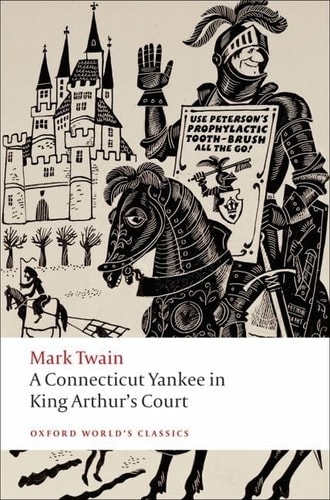
When A Connecticut Yankee at King Arthur's Court was published in 1889, Mark Twain was undergoing a series of personal and professional crises. In his Introduction, M. Thomas Inge shows how what began as a literary burlesque of British chivalry and culture developed to tragedy and into a novel that remains a major literary and cultural text for generations of new readers. This edition reproduces a number of the original drawings by Dan Beard, of whom Twain said "He not only illustrates the text but he illustrates my thoughts."About the Series: For over 100 years Oxford World's Classics has made available the broadest spectrum of literature from around the globe. Each affordable volume reflects Oxford's commitment to scholarship, providing the most accurate text plus a wealth of other valuable features, including expert introductions by leading authorities, voluminous notes to clarify the text, up-to-date bibliographies for further study, and much more.
Menrva's Summary
THE PULSE
A nineteenth-century engineer finds himself transported to sixth-century England, where he attempts to modernize the medieval world using his technological knowledge. Hank Morgan, a pragmatic factory superintendent from Connecticut, wakes up in the court of King Arthur after a blow to the head. He must navigate the rigid social hierarchies and superstitious beliefs of the Dark Ages while utilizing his superior understanding of mechanics and science to gain power. The narrative is presented as a first-person account, blending comedic observations of chivalric absurdity with a growing sense of disillusionment regarding human nature and societal progress.
INSIDE THE PAGES
- Use of anachronistic technology to disrupt medieval power structures
- Satirical critique of romanticized Arthurian legends and chivalry
- First-person narrative voice characterized by cynical wit
- Exploration of the conflict between industrial progress and feudal tradition
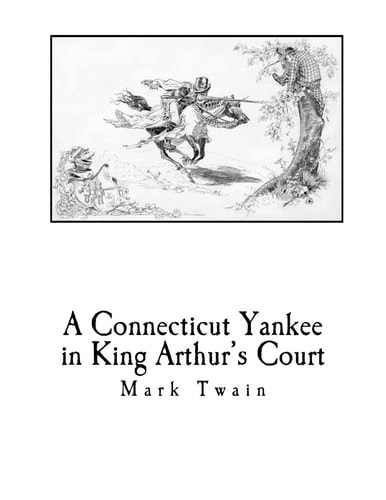
- Inclusion of original illustrations by Dan Beard to complement the text
- Shifts in tone from lighthearted burlesque to dark social commentary
- Detailed descriptions of nineteenth-century engineering principles applied to the past
- Examination of the role of the church and monarchy in maintaining social control
THE COLLECTIVE ECHO
Readers and critics often note the dual nature of this work, which functions simultaneously as a humorous romp and a biting critique of civilization. Discussion frequently centers on the transition from the protagonist's initial amusement at medieval customs to his increasingly violent attempts to impose modern order. Scholars highlight the book's complex stance on technology, noting that Twain uses the Yankee's inventions to expose the brutality inherent in both the past and the present. The pacing is frequently described as uneven, reflecting the author's own shifting intentions as the narrative progresses toward its tragic conclusion.
Page Count:
400
Publication Date:
2008-06-15
Publisher:
Oxford University Press
ISBN-10:
0199540586
ISBN-13:
9780199540587
Fantasy
Science Fiction
Humor
Satire
Fantasy fiction
Great Britain
King Arthur
Historical
classic
Community Tags
Other Editions(158)
Creative Media Partners, LLC
2025
Default edition
National Book Network
2024
Double9 Books Llp
2023

Sheba Blake Publishing
2023
EdCon Publishing
2023
Classic Comic Store, Limited
2022
John D. Rayburn
2021
Independent Publishers Group (Chicago Review Press)
2021

Independently Published
2021

Tantor and Blackstone Publishing
2021
Amazon Digital Services LLC - KDP Print US
2021

Independently Published
2021

Independently Published
2021

Independently Published
2020

Independently Published
2020

Independently Published
2020

Independently Published
2020

Throne Classics
2020

Independently published
2020

Suzeteo Enterprises
2020

Independently Published
2020

Independently Published
2020

Independently Published
2020
Independently Published
2020

Independently Published
2020

Independently Published
2020

Independently Published
2019

Amazon Digital Services LLC - KDP Print US
2019

Independently Published
2019
Independently Published
2019

Amazon Digital Services LLC - KDP Print US
2019

Independently Published
2019

Independently Published
2019

Amazon Digital Services LLC - KDP Print US
2019
Independently Published
2019
Independently Published
2019

Independently Published
2019

Pendragon Cove Press
2019

Independently Published
2019

Independently Published
2019
Blurb, Incorporated
2019

Blurb, Incorporated
2019

Amazon Digital Services LLC - KDP Print US
2019

Simon & Brown
2018

CreateSpace Independent Publishing Platform
2018
Createspace Independent Publishing Platform
2018
CreateSpace Independent Publishing Platform
2018

CreateSpace Independent Publishing Platform
2018
CreateSpace Independent Publishing Platform
2018

CreateSpace Independent Publishing Platform
2018
CreateSpace Independent Publishing Platform
2018
CreateSpace Independent Publishing Platform
2018
CreateSpace Independent Publishing Platform
2018

CreateSpace Independent Publishing Platform
2018

CreateSpace Independent Publishing Platform
2018

CreateSpace Independent Publishing Platform
2018

CreateSpace Independent Publishing Platform
2018

e-artnow
2018
CreateSpace Independent Publishing Platform
2018

Creative Media Partners, LLC
2018

Barnes & Noble Press
2018
Independently Published
2017
CreateSpace Independent Publishing Platform
2017

CreateSpace Independent Publishing Platform
2017

CreateSpace Independent Publishing Platform
2017

Createspace Independent Publishing Platform
2017

CreateSpace Independent Publishing Platform
2017

Independently Published
2017
CreateSpace Independent Publishing Platform
2017

Blackstone Publishing, Inc.
2017

CreateSpace Independent Publishing Platform
2017

CreateSpace Independent Publishing Platform
2017

CreateSpace Independent Publishing Platform
2017

CreateSpace Independent Publishing Platform
2017

CreateSpace Independent Publishing Platform
2017
CreateSpace Independent Publishing Platform
2017

CreateSpace Independent Publishing Platform
2017

CreateSpace Independent Publishing Platform
2017
CreateSpace Independent Publishing Platform
2017

Blurb, Incorporated
2017

CreateSpace Independent Publishing Platform
2017

CreateSpace Independent Publishing Platform
2017

Lulu.com
2016

CreateSpace Independent Publishing Platform
2016

CreateSpace Independent Publishing Platform
2016

CreateSpace Independent Publishing Platform
2016

CreateSpace Independent Publishing Platform
2016
CreateSpace Independent Publishing Platform
2016

CreateSpace Independent Publishing Platform
2016
CreateSpace Independent Publishing Platform
2016

CreateSpace Independent Publishing Platform
2016

CreateSpace Independent Publishing Platform
2016

Creative Media Partners, LLC
2016

Bibliolife DBA of Bibilio Bazaar II LLC
2016

CreateSpace Independent Publishing Platform
2015

CreateSpace Independent Publishing Platform
2015

Bibliolife DBA of Bibilio Bazaar II LLC
2015

CreateSpace Independent Publishing Platform
2015

CreateSpace Independent Publishing Platform
2015
Xist Publishing
2015
Repressed Publishing LLC
2015
First Avenue Editions
2015

Book on Demand Ltd.
2015
CreateSpace Independent Publishing Platform
2014
CreateSpace Independent Publishing Platform
2014

CreateSpace Independent Publishing Platform
2014

Bradford Exchange, Limited
2014

CreateSpace Independent Publishing Platform
2014

HarperCollins
2013

CreateSpace Independent Publishing Platform
2013
Oxford University Press
2013
CreateSpace Independent Publishing Platform
2013
CreateSpace Independent Publishing Platform
2012
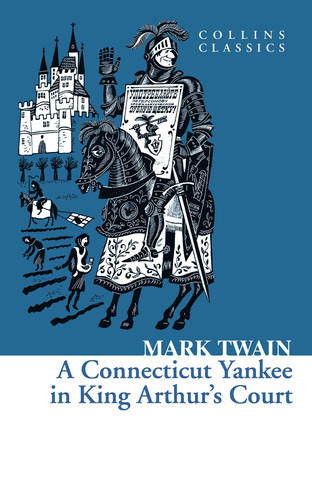
HarperCollins Publishers Limited
2012

CreateSpace Independent Publishing Platform
2011

Simon & Brown
2011
Kessinger Publishing, LLC
2010

CreateSpace Independent Publishing Platform
2010

Penguin USA, Inc.
2009

Tutis Digital Publishing Pvt. Limited
2008
Standard Publications, Incorporated
2008
Oxford University Press
2008
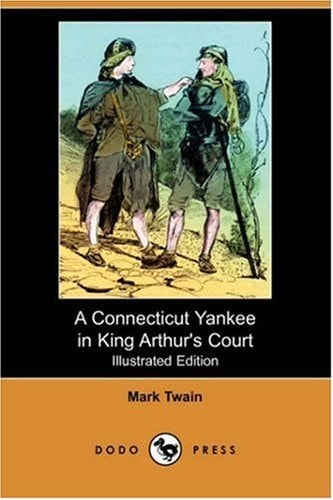
Book Depository Limited
2008
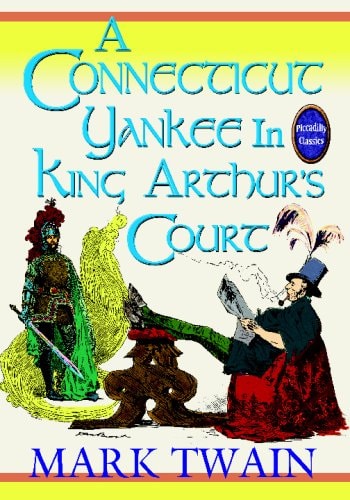
Piccadilly Books
2007
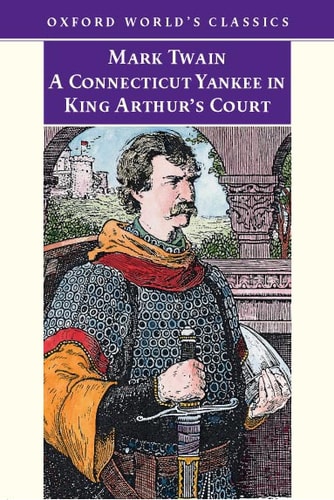
2006

Fitzgerald Books
2006
1st World Library
2006
Recorded Books, Incorporated
2005

eBooksLib
2005
ICON Group International
2005
ICON Classics
2005
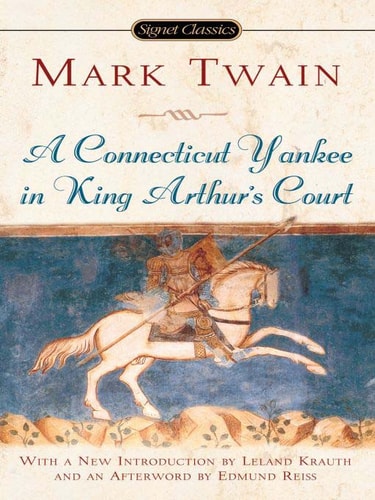
Signet Classics
2004

NuVision Publications
2004
Toby
2003

Barnes & Noble World Digital Library
2002
North Books
2001

iUniverse
2001

Naxos Audio Books
2001

iUniverse
2001
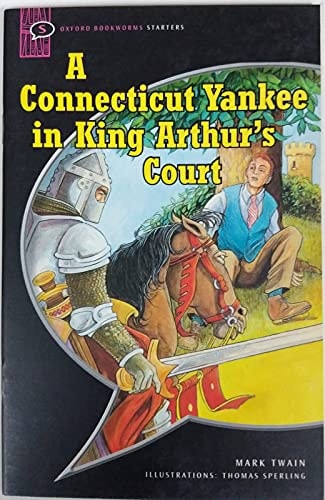
Oxford University Press
2001
Bt Bound
1999

Classic Textbooks
1999

Oxford University Press
1997

Oxford University Press
1997
Amereon Limited
1997
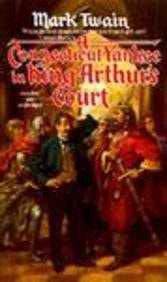
Turtleback
1991
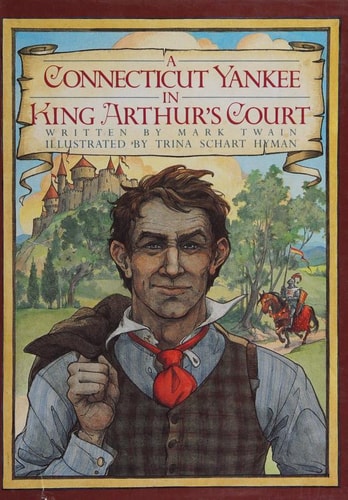
HarperCollins
1988
Tom Doherty Associates, LLC
1988
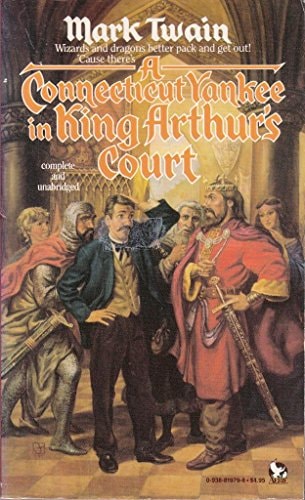
Aerie
1988
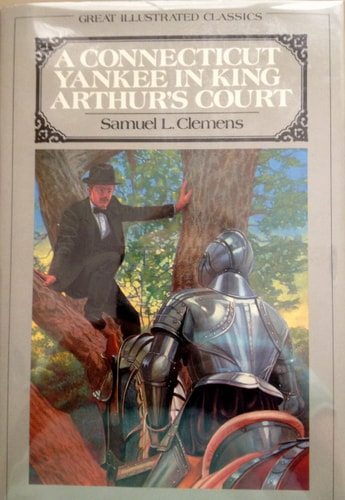
Dodd, Mead & Company
1985

Turtleback
1983

Bantam Books
1981

University of California Press
1979

Pendulum Press, Incorporated
1977

Penguin Publishing Group
1963

Chandler Publishing Co.
1963

Washington Square Press
1948
University of California Press
1917
Similar Books





Reader Comments
Share Your Thoughts
No comments yet. Be the first to share your thoughts!