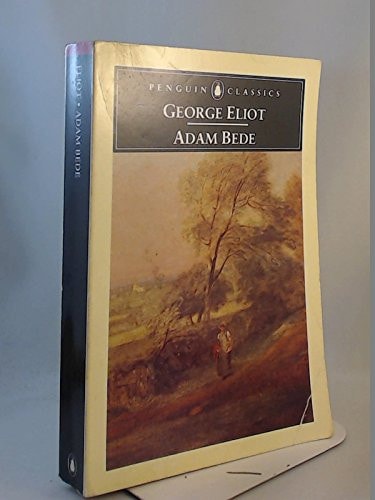
Adam Bede
0
0
As an Amazon Associate and affiliate partner, Menrva Books earns from qualifying purchases. Learn more
Author Description
In Adam Bede (1859) George Eliot took the well-worn tale of a lovely dairy-maid seduced by a careless squire, and out of it created a wonderfully innovative and sympathetic portrait of the lives of ordinary Midlands working people - their labours and loves, their beliefs, their talk. Hugely popular in its own time, Adam Bede is one of the greatest examples of humane and liberal Victorian social concern, a pioneering classic of radical social realism. It is also important for the way it meditates on the need for such fiction and the methods of writing it. As the Introduction declares: `The distinction of Adam Bede is to tell a story, and also to tell about telling a story. This is a novel about obscure lives, and also about how to be a novel about obscure lives.' This edition reprints the original broadsheet reports of the murder case that was a starting point for the book, and the notes illuminate Eliot's many literary and religious references.
Menrva's Summary
THE PULSE
The tranquil life of a rural community is shattered when a young dairy-maid faces a moral crisis involving a local squire. Adam Bede, a principled carpenter, navigates the complexities of duty, faith, and unrequited affection while the community of Hayslope grapples with the consequences of social transgression. The narrative employs a third-person omniscient perspective to examine the internal lives of its characters against the backdrop of 19th-century industrial and agricultural shifts. Eliot utilizes a deliberate, observational tone to explore the tension between individual desire and communal expectation.
INSIDE THE PAGES
- Detailed depiction of rural Victorian working-class life
- Exploration of moral responsibility and the consequences of seduction
- Use of regional dialect to ground the narrative in the Midlands
- Meta-fictional commentary on the purpose and craft of the novel
- Examination of religious fervor and Methodism in rural society
- Character-driven focus on the development of Adam Bede and Hetty Sorrel
- Integration of historical legal records regarding the central murder case
- Philosophical reflections on the value of ordinary, obscure lives
THE COLLECTIVE ECHO
Readers and critics frequently highlight the novel's commitment to social realism and its sympathetic portrayal of working-class individuals. Discussion often centers on Eliot's ability to balance intricate character studies with broader commentary on the ethical responsibilities of the author. Many observers note the effectiveness of the atmospheric world-building, which captures the specific textures of the Victorian countryside. The text is widely recognized for its intellectual depth and its pioneering approach to the psychological interiority of its protagonists. Critics often emphasize that the work remains a significant example of Victorian literature due to its humane perspective on human fallibility.
Page Count:
656
Publication Date:
1985-01-01
Publisher:
Penguin Classics
ISBN-10:
0199549877
ISBN-13:
9780199549870
Social Issues
Historical
Realism
Victorian
classic