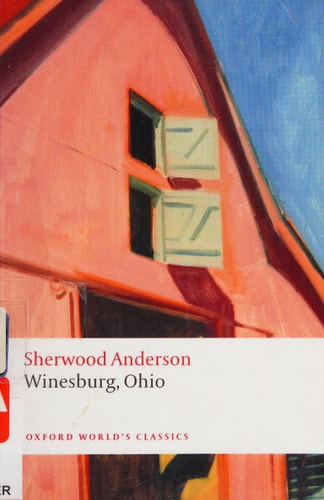
Winesburg, Ohio
0
0
As an Amazon Associate and affiliate partner, Menrva Books earns from qualifying purchases. Learn more
Author Description
Winesburg, Ohio (1919) is Sherwood Anderson's masterpiece, a cycle of short stories concerning life in a small town at the end of the nineteenth century. At the center is George Willard, a young reporter who becomes the confidant of the town's solitary figures. Anderson's stories influenced countless American writers including Hemingway, Faulkner, Updike, Oates and Carver. This new edition corrects errors made in earlier editions and takes into account major criticism and textual scholarship of the last several decades.About the Series: For over 100 years Oxford World's Classics has made available the broadest spectrum of literature from around the globe. Each affordable volume reflects Oxford's commitment to scholarship, providing the most accurate text plus a wealth of other valuable features, including expert introductions by leading authorities, voluminous notes to clarify the text, up-to-date bibliographies for further study, and much more.
Menrva's Summary
THE PULSE
The central conflict involves the isolation and repressed desires of the inhabitants of a small Midwestern town as observed by a burgeoning young journalist. George Willard, a reporter for the Winesburg Eagle, acts as the primary conduit for the townspeople's confessions, navigating his own transition into adulthood while witnessing the psychological fragmentation of those around him. The narrative framework consists of a series of interconnected short stories that function as a cohesive portrait of a community. The world is defined by the rigid social expectations of the late nineteenth century and the internal, often unspoken, struggles of individuals who feel alienated from their neighbors.
INSIDE THE PAGES
- Interconnected short story cycle structure
- Focus on the psychological interiority of small-town characters
- Recurring motif of the 'grotesque' as a manifestation of repressed truth
- Episodic narrative progression centered on George Willard
- Realistic depiction of late 19th-century Midwestern American life
- Exploration of the limitations of communication and human connection
- Use of a detached, observational narrative voice
- Thematic emphasis on the transition from youth to maturity
THE COLLECTIVE ECHO
Readers and critics frequently highlight the work's influence on the development of modern American prose and the short story form. Discussion often centers on Anderson's ability to capture the quiet desperation of ordinary people living in a confined environment. The pacing is deliberate and atmospheric, prioritizing character study over traditional plot-driven action. Many observers note that the book serves as a foundational text for understanding the shift toward psychological realism in early 20th-century literature. The effectiveness of the world-building is often attributed to the author's focus on the specific, often painful, idiosyncrasies of his characters.
Page Count:
240
Publication Date:
2008-08-01
Publisher:
Oxford University Press
ISBN-10:
0199540721
ISBN-13:
9780199540723
Realism
Classic Literature
Ohio fiction
Short Stories
American
Community Tags
Other Editions(12)

Independently Published
2021
Default edition
West Margin Press
2020

CreateSpace Independent Publishing Platform
2018

Palabrero Press
2016

CreateSpace Independent Publishing Platform
2013

Dover Publications, Incorporated
2012
Oxford University Press
2008
ICON Classics
2005
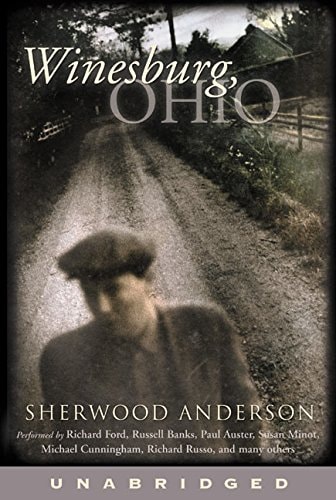
Caedmon
2002

Random House Digital Inc.
2000
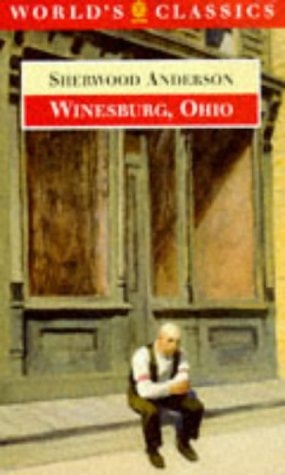
Oxford University Press
1997

Tandem Library
1995
Similar Books



Reader Comments
Share Your Thoughts
No comments yet. Be the first to share your thoughts!