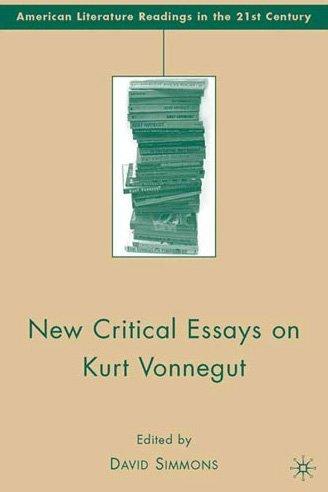
New Critical Essays on Kurt Vonnegut
0
0
As an Amazon Associate and affiliate partner, Menrva Books earns from qualifying purchases. Learn more
Author Description
Kurt Vonnegut's darkly comic work became a symbol for the counterculture of a generation. From his debut novel, Player Piano (1951), through seminal 1960's novels such as Cat's Cradle (1963) and Slaughterhouse-Five (1969) and up to the recent success of A Man Without a Country (2005), Vonnegut's writing has remained commercially popular, offering a satirical yet optimistic outlook on modern life. Though many fellow writers admired Vonnegut--Gore Vidal famously suggesting that "Kurt was never dull"--The academic establishment has tended to retain a degree of skepticism concerning the validity of his work. This dynamic collection aims to re-evaluate Vonnegut's position as an integral part of the American post-war canon of literature.
Menrva's Summary
THE THESIS
This collection re-evaluates Kurt Vonnegut's place within the American literary canon. Edited by David J. Simmons, this volume brings together critical essays that explore the enduring relevance and complexity of Vonnegut's darkly comic and satirical works. The essays examine his novels from his early publications to his later successes, addressing the dynamic between his popular appeal and the academic establishment's historical skepticism.
THE SCOPE MAP
- Analysis of Vonnegut's debut novel, Player Piano (1951).
- Exploration of seminal 1960s novels including Cat's Cradle (1963) and Slaughterhouse-Five (1969).
- Discussion of the recent success and themes in A Man Without a Country (2005).
- Re-evaluation of Vonnegut's satirical yet optimistic outlook on modern life.
- Examination of the critical reception and academic skepticism surrounding Vonnegut's work.
- Essays aiming to position Vonnegut as an integral part of the American post-war literary canon.
- Consideration of Vonnegut's commercial popularity alongside his literary merit.
THE AUTHORITY PERSPECTIVE
This collection aims to address the historical skepticism from the academic establishment regarding Kurt Vonnegut's work by re-evaluating his position in the American post-war literary canon. The essays likely delve into the nuances of his darkly comic style and his satirical yet optimistic outlook on modern life, drawing from his diverse body of work. By examining his novels from his early publications to his later successes, the collection seeks to solidify his literary significance. The contributors likely offer a range of critical perspectives to support this re-evaluation.
Page Count:
233
Publication Date:
2009-01-01
ISBN-10:
0230616275
ISBN-13:
9780230616271
Fiction
Non-Fiction
History
Satire
American
Post-War
Literary Criticism
Community Tags
Similar Books