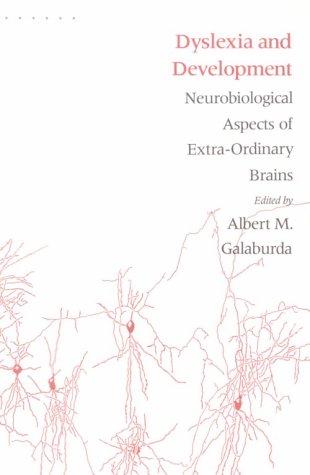
Dyslexia and Development
0
0
As an Amazon Associate and affiliate partner, Menrva Books earns from qualifying purchases. Learn more
Author Description
Dyslexia and Development presents the latest findings of neurobiological research, which suggest a link between seemingly minor brain abnormalities and epilepsy, learning disorders, and autism. The authors focus on the plasticity of the developing nervous system and the possible role of subtle early brain injury in the emergence of these disorders, particularly dyslexia. The distinguished contributors to this volume examine epidemiologic and clinical issues that may make the developing brain more vulnerable to environmental and genetic influences, which can in turn lead to abnormal brain plasticity and behavior. Although major forms of brain malformation have been clearly associated with functional deficits, mild forms have historically been ignored or trivialized; this book supports the hypothesis that several types of such malformation reflect brain injury during critical stages of development, and also the premise that more and more disturbances of thought and behavior stem from abnormalities of brain organization. Neurologists and neurobiologists, psychologists, psycholinguists, psychiatrists, and special educators will find here a guide to more enlightened understanding and more effective treatment of dyslexia. In fact, the book emphasizes the positive aspects of the neurobiological deviation that dyslexic brains seem to show, along with the observation that people with such brains are often quite creative and extraordinary rather than handicapped. In turn, the revised consideration of dyslexia should lead to more serious attention to other disturbances of childhood behavior as problems in developmental neurology, as well as to a deeper analysis of possible neurological bases for individual differences in normal behavior and personality.
Menrva's Summary
THE THESIS
This book investigates the neurobiological underpinnings of dyslexia and related developmental disorders. The authors explore the hypothesis that subtle brain abnormalities, potentially resulting from early injury during critical developmental stages, are linked to conditions such as epilepsy, learning disorders, and autism, with a particular focus on dyslexia. The work examines how environmental and genetic factors can influence brain plasticity and behavior, challenging the historical dismissal of minor brain malformations. It posits that many disturbances of thought and behavior stem from abnormalities in brain organization, and highlights the potential for creativity in individuals with dyslexic brains.
THE SCOPE MAP
- Exploration of neurobiological research linking minor brain abnormalities to dyslexia, epilepsy, and autism.
- Focus on the plasticity of the developing nervous system and the role of early brain injury.
- Examination of epidemiological and clinical factors that increase brain vulnerability.
- Discussion of the hypothesis that mild brain malformations reflect injury during critical developmental stages.
- Analysis of how abnormalities in brain organization contribute to disturbances of thought and behavior.
- Consideration of the positive aspects of neurobiological deviations in dyslexic brains, including creativity.
- Implications for understanding and treating dyslexia, as well as other childhood behavior disorders.
- Deeper analysis of neurological bases for individual differences in normal behavior and personality.
THE AUTHORITY PERSPECTIVE
This volume is presented as a guide for neurologists, neurobiologists, psychologists, psycholinguists, psychiatrists, and special educators, offering a more enlightened understanding and potentially more effective treatment for dyslexia. The book's perspective emphasizes the positive attributes often associated with dyslexic brains, such as creativity, suggesting a reevaluation of dyslexia from a purely handicapping condition to one that may involve unique neurological organization. This revised consideration aims to encourage more serious attention to other childhood behavioral issues as problems in developmental neurology.
Page Count:
378
Publication Date:
1993-01-01
ISBN-10:
0674219406
Science
Psychology
Non-Fiction
Developmental Psychology
Neurobiology
Epilepsy
Autism
Community Tags
Similar Books