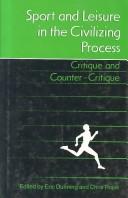
Sport and Leisure in the Civilizing Process
0
0
As an Amazon Associate and affiliate partner, Menrva Books earns from qualifying purchases. Learn more
Author Description
Figurational sociology is associated with the writings of Norbert Elias. In his theory of 'the civilizing process' and his work on the activity of sociology, Elias devised an approach to the study of human life which is now recognized as one of the major contributions to twentieth-century social science. Working in collaboration with Eric Dunning, Elias developed a series of writings on sport and leisure. These have been so influential that in some circles they are identified as the leading approach in the field. However, the figurational approach has also been widely criticized. For some critics it exhibits all of the worst features of the now discredited 'liberal', 'functionalist' school of sociology. This collection provides a major critical assessment of the figurational approach to our understanding of sport and leisure. Contributors explore the distinctive features of such an approach and show its application to matters of sport and leisure. However, this is not a one-sided collection. The editors invited critics of figurational sociology to set out their points of view. Feminist and neo-Marxist contributors, for example, spell out why they judge the approach to be of limited value. The concluding chapter written by Eric Dunning, offers a major statement of what figurational sociologists argue and how their arguments differ from other leading approaches both generally and in the field of sport and leisure. This unique and accessible collection is an important contribution to the growing area of sport and leisure studies.--Jacket.
Menrva's Summary
THE THESIS
This collection critically assesses the figurational approach to understanding sport and leisure, as developed by Norbert Elias and Eric Dunning. The book examines the core tenets of figurational sociology, its application to sport and leisure studies, and presents critiques from various perspectives, including feminist and neo-Marxist viewpoints. The contributors explore both the strengths and limitations of this influential sociological framework, with a concluding chapter by Dunning offering a defense and clarification of the figurational perspective.
THE SCOPE MAP
- An in-depth analysis of Norbert Elias's theory of the 'civilizing process'.
- Exploration of the figurational approach's application to sport and leisure.
- Critical assessments from feminist and neo-Marxist perspectives.
- A concluding statement by Eric Dunning on the arguments of figurational sociologists.
- Discussion of the influence and criticisms of Elias and Dunning's work in social science.
- Examination of the distinctive features of figurational sociology.
THE AUTHORITY PERSPECTIVE
This collection is regarded as a significant contribution to sport and leisure studies, offering a balanced critical assessment of the influential figurational approach. It brings together proponents and critics to debate the merits and limitations of Elias and Dunning's work. The inclusion of diverse critical viewpoints, such as feminist and neo-Marxist critiques, provides a comprehensive overview of the ongoing scholarly discussion surrounding this sociological framework. The concluding chapter by Dunning aims to clarify the figurational perspective and its distinctions from other sociological approaches.
Page Count:
289
Publication Date:
1992-01-01
ISBN-10:
0802028047
ISBN-13:
9780802028044
Philosophy
History
Sports
Non-Fiction
Sociology
Sports History
Social Science
Community Tags
Similar Books