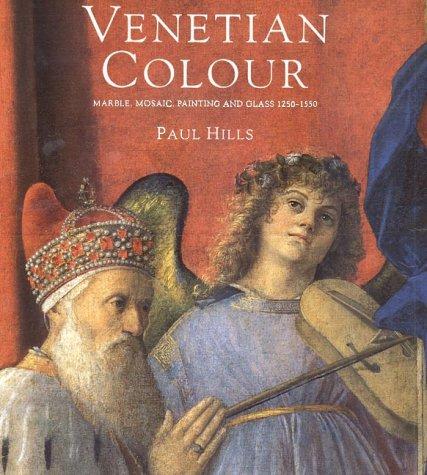
Venetian Colour
0
0
As an Amazon Associate and affiliate partner, Menrva Books earns from qualifying purchases. Learn more
Author Description
Italian Renaissance art historian Paul Hills shows how, between 1250 and 1550, the city of Venice and the luxuries manufactured and traded there prompted particular ways of attending to colour. He argues that Venetian colour - in buildings, table glass and dress as well as painting - was the product of a lagoon site and a mercantile culture.
Menrva's Summary
THE THESIS
The unique visual culture of Venice between 1250 and 1550 was intrinsically linked to its environment and its role as a mercantile hub, profoundly influencing its approach to color. Paul Hills, an Italian Renaissance art historian, posits that the city's lagoon setting and its thriving trade fostered a distinct sensibility towards color, evident not only in painting but also in architecture, glasswork, and textiles. This book explores how these factors converged to shape the Venetian use and perception of color during this pivotal period.
THE SCOPE MAP
- Analysis of color in Venetian painting from 1250-1550.
- Exploration of color in Venetian architecture and urban design.
- Examination of color in Venetian luxury goods, including table glass.
- Discussion of color in Venetian textiles and dress.
- The influence of Venice's lagoon environment on its color palette.
- The impact of Venice's mercantile culture on its aesthetic values related to color.
- Connections between material culture and artistic expression in Venice.
THE AUTHORITY PERSPECTIVE
This scholarly work by Paul Hills is recognized for its in-depth examination of color in Venetian art and culture during the Renaissance. Art historians and critics have noted its comprehensive approach, linking artistic output to the city's unique geographical and economic context. The book is considered a valuable resource for understanding the specific visual characteristics of Venetian art and its broader cultural significance. Its detailed analysis provides a nuanced perspective on how color functioned within this influential historical period.
Page Count:
247
Publication Date:
1999-01-01
ISBN-10:
0300081359
Non-Fiction
Art
History
Color Theory
Art History
Community Tags
Similar Books