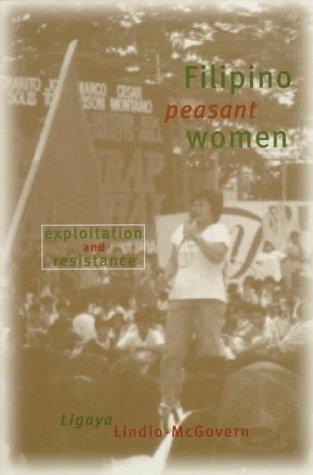
Filipino Peasant Women
0
0
As an Amazon Associate and affiliate partner, Menrva Books earns from qualifying purchases. Learn more
Author Description
Filipino Peasant Women presents a compelling example of the power of the powerless. In it, author Ligaya Lindio-McGovern offers the first study of the everyday lives of Filipino peasant women and their means of resisting the exploitative system in which they find themselves. While illustrating the increasing exploitation and poverty these women face, Lindio-McGovern challenges the conventional portrayal of them as submissive victims. A Filipina from the peasant class herself, the author has unprecedented access to women workers in this militarized society as well as rich insights into the lives of Third World women. Her interviews with members of the National Federation of Peasant Women in the Philippines and its local chapter, Peasant Women of Mindoro, detail women's landlessness, poverty, and disempowerment. At the heart of the book, however, is the contention that the best solutions to the exploitation of peasants come from the peasants themselves. Stories of the women's experiences told from their own perspectives illustrate how these women have resisted their oppression through organization and consciousness-raising, land occupation, the founding of worker collectives and consumer cooperatives, and the establishment of day care centers. Lindio-McGovern identifies the creative alternatives such grassroots organizations can offer for shaping development policies and empowerment strategies for poor women and their families. Offering a feminist methodology for studying Third World women in militarized zones, Filipino Peasant Women is essential reading in the fields of women's studies anthropology, sociology, and Asian studies.
Menrva's Summary
THE THESIS
This book investigates the multifaceted lives of Filipino peasant women and their strategies for resistance against systemic exploitation. Ligaya Lindio-McGovern, drawing on her own background and unprecedented access, details the increasing poverty and disempowerment faced by these women. Through interviews with members of the National Federation of Peasant Women and its local chapter, the book challenges portrayals of submissiveness, highlighting the agency of women in a militarized society. It argues that the most effective solutions to peasant exploitation originate from the peasants themselves.
THE SCOPE MAP
- Analysis of the everyday lives of Filipino peasant women.
- Examination of the increasing exploitation and poverty faced by these women.
- Detailed accounts of women's landlessness and disempowerment.
- Exploration of resistance strategies including organization, land occupation, and worker collectives.
- Case studies from interviews with members of the National Federation of Peasant Women and Peasant Women of Mindoro.
- Discussion of grassroots organizations' potential for shaping development policies and empowerment strategies.
- A feminist methodology for studying women in militarized Third World zones.
THE AUTHORITY PERSPECTIVE
The book is positioned as essential reading within women's studies, anthropology, sociology, and Asian studies, offering a critical feminist perspective on Third World women in militarized zones. Its strength lies in its detailed ethnographic approach and the author's unique access to her subjects, challenging conventional victim narratives. The work is noted for highlighting the agency and resilience of Filipino peasant women through their own organized resistance and the development of grassroots solutions. It provides valuable insights into the intersection of gender, class, and political economy in the Philippines.
Page Count:
225
Publication Date:
1997-01-01
ISBN-10:
0812234103
Politics
History
Non-Fiction
Asian Studies
Anthropology
Sociology
Social justice
Community Tags
Similar Books














