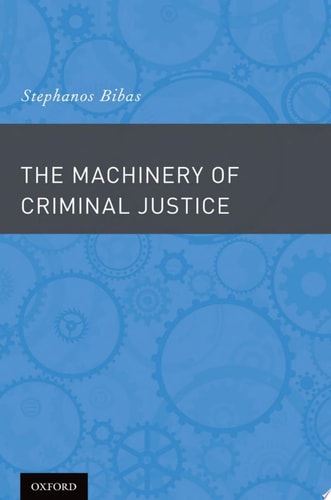
The Machinery of Criminal Justice
0
0
As an Amazon Associate and affiliate partner, Menrva Books earns from qualifying purchases. Learn more
Author Description
Two Centuries Ago, American Criminal Justice Was Run Primarily By Laymen. Jury Trials Passed Moral Judgment On Crimes, Vindicated Victims And Innocent Defendants, And Denounced The Guilty. But Since Then, Lawyers Have Gradually Taken Over The Process, Silencing Victims And Defendants And, In Many Cases, Substituting Plea Bargaining For The Voice Of The Jury. The Public Sees Little Of How This Assembly-line Justice Works, And Victims And Defendants Have Largely Lost Their Day In Court. As A Result, Victims Rarely Hear Defendants Express Remorse And Apologize, And Defendants Rarely Receive Forgiveness. This Lawyerized Machinery Has Purchased Efficient, Speedy Processing Of Many Cases At The Price Of Sacrificing Softer Values, Such As Reforming Defendants And Healing Wounded Victims And Relationships. In Other Words, The U.s. Legal System Has Bought Quantity At The Price Of Quality, Without Recognizing Either The Trade-off Or The Great Gulf Separating Lawyers' And Laymen's Incentives, Values, And Powers. In The Machinery Of Criminal Justice, Author Stephanos Bibas Surveys The Developments Over The Last Two Centuries, Considers What We Have Lost In Our Quest For Efficient Punishment, And Suggests Ways To Include Victims, Defendants, And The Public Once Again. Ideas Range From Requiring Convicts To Work Or Serve In The Military, To Moving Power From Prosecutors To Restorative Sentencing Juries. Bibas Argues That Doing So Might Cost More, But It Would Better Serve Criminal Procedure's Interests In Denouncing Crime, Vindicating Victims, Reforming Wrongdoers, And Healing The Relationships Torn By Crime.
Menrva's Summary
THE THESIS
The book investigates the historical shift from layperson-led criminal justice to a lawyer-dominated system and argues that this transition has sacrificed restorative justice for administrative efficiency. Stephanos Bibas, a legal scholar, utilizes historical analysis and institutional critique to examine how the professionalization of the American legal system has marginalized victims and defendants. He posits that the current assembly-line approach prioritizes speed over the moral and healing functions of the law, ultimately proposing structural reforms to reintegrate community participation and restorative practices.
THE SCOPE MAP
What You Will Find
- A two-century historical survey of American criminal justice evolution.
- An analysis of the divergence between lawyer incentives and layperson values.
- A critique of plea bargaining as a substitute for jury-led moral judgment.
- Proposed policy reforms, including restorative sentencing juries and alternative service requirements for convicts.
THE AUTHORITY PERSPECTIVE
Legal scholars and practitioners frequently cite this text as a critical examination of the systemic trade-offs inherent in modern plea-bargaining culture. Experts highlight the work as a foundational argument for restorative justice advocates seeking to reintroduce human-centric processes into the courtroom.
Page Count:
318
Publication Date:
2012-01-01
Publisher:
Oxford University Press, Incorporated
ISBN-10:
0199705518
ISBN-13:
9780199705511
History
Sociology
Administration of Justice
Law
Public Policy
Criminology
Community Tags
Other Editions(3)

Similar Books








Reader Comments
Share Your Thoughts
No comments yet. Be the first to share your thoughts!