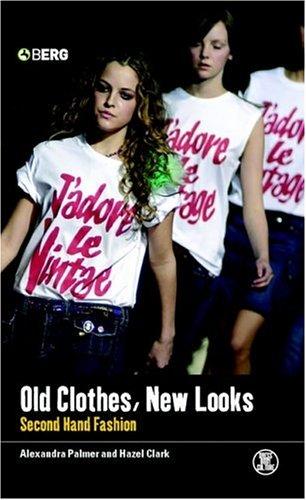
Old Clothes, New Looks
0
0
As an Amazon Associate and affiliate partner, Menrva Books earns from qualifying purchases. Learn more
Author Description
Second-hand fashion has a history as old as the production of clothing itself, but until recently it was given little consideration. Used clothes represent the largest numbers of existing garments but until recently they were not perceived as serious fashion items. However, this has changed dramatically with the rise of vintage web sites, value clothing chains, and the fashion media's perpetuation of the idea that secondhand clothes can be recycled into avant-garde "cool". This book not only shows how important used clothing has become but also what role it plays in culture and history. The Japanese, for example, traditionally salvage sections of kimonos, while in India garments are inexhaustibly recycled. This cross-cultural and historical perspective fills a major gap by offering fresh insights into the innovative use of secondhand dress and age-old traditions of recycling fashion. The history, global trade and the current western revival of interest in used garments as a new form of fashion consciousness are the background to this book on the use of second-hand dress and age-old traditions of recycling fashion.
Menrva's Summary
THE THESIS
The historical and cultural significance of second-hand clothing is explored, challenging its previous dismissal as a mere fashion item. This book examines the evolution of used garments from overlooked materials to a prominent force in contemporary fashion. It delves into the global trade and cultural practices surrounding recycled dress, highlighting traditions in Japan and India, and analyzing the recent Western resurgence of interest in vintage and secondhand fashion. The work aims to provide a comprehensive understanding of how used clothing has become a significant cultural and historical phenomenon.
THE SCOPE MAP
- The historical trajectory of second-hand fashion, tracing its origins and evolution.
- The role of used clothing in global trade and cultural practices.
- Case studies of traditional recycling of garments in Japan (kimonos) and India.
- Analysis of the recent Western revival of interest in vintage and secondhand clothing.
- The influence of vintage websites, value clothing chains, and media on secondhand fashion perception.
- The concept of recycling fashion into avant-garde and 'cool' aesthetics.
- Insights into the innovative uses of secondhand dress and age-old recycling traditions.
THE AUTHORITY PERSPECTIVE
This book offers a comprehensive look at the historical and cultural importance of second-hand clothing, a topic previously underexplored in fashion studies. It is noted for its cross-cultural perspective, drawing examples from diverse traditions to illustrate the long-standing practice of recycling garments. The work is positioned as filling a significant gap in understanding how used clothing has transitioned from overlooked material to a recognized fashion element. Its analysis of both historical practices and contemporary trends provides a rich context for the current interest in sustainable and vintage fashion.
Page Count:
255
Publication Date:
2005-01-01
ISBN-10:
1859738524
History
Non-Fiction
Art
Fashion history
Sustainability
Community Tags
Similar Books