Work Ethic
0
0
As an Amazon Associate and affiliate partner, Menrva Books earns from qualifying purchases. Learn more
Author Description
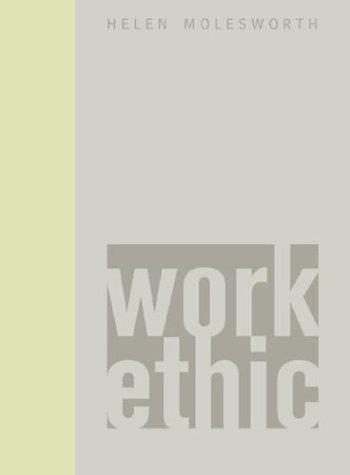
During the 1960s, artists from Alan Kaprow and Yoko Ono to Andy Warhol and Richard Serra stopped making "art" as it has been thought of since the Renaissance. They staged performances that mixed everyday life with theater and in yet other, often ironic, ways challenged the system of marketing, display, and aesthetic discourse that ascribes exceptional monetary as well as cultural value to paintings and sculpture. Work Ethic, published in conjunction with an exhibition of the same name organized by The Baltimore Museum of Art, brings together a cross section of such radical endeavors and opens a fresh perspective on their genesis and meaning. Most of the avant-garde interventions considered in Work Ethic entailed performances and other procedures generally interpreted as linking a "dematerialization" of the object with the free play of concepts. By contrast, Helen Molesworth and her collaborators in Work Ethic set such activities in the context of the workplace and contend that they engage issues of management, production, and skill that accompanied the emergence of the information age. The result is a major breakthrough in understanding the structures and ambitions of a wide range of art-making. Work Ethic reproduces all the diverse material—Bruce Nauman videotapes to Roxy Paine’s painting machine—in the Baltimore exhibition and provides insightful discussion of each piece’s history, structure, and significance. Four essays introduce topics, like utopian fantasies of pleasurable work, that are of general relevance to setting the material into a postindustrial context. Throughout this catalogue, there is as well a lively dialogue on the museum’s relationship to art that questions the rules of both the workplace and the art world.
Menrva's Summary
THE THESIS
The book investigates how avant-garde artists in the 1960s and beyond shifted from traditional art forms to performances and conceptual works that challenged the established art market. It examines these radical endeavors, often interpreted as a dematerialization of the art object, by placing them within the context of the workplace and the emerging information age. The author and collaborators argue that these works engaged with issues of management, production, and skill, offering a new perspective on their genesis and meaning. This approach provides a significant breakthrough in understanding the structures and ambitions of a wide range of art-making.
THE SCOPE MAP
- Analysis of avant-garde art interventions from the 1960s, including performances and conceptual works.
- Exploration of artists such as Alan Kaprow, Yoko Ono, Andy Warhol, and Richard Serra.
- Contextualization of these artistic practices within the framework of the workplace, management, and production.
- Discussion of the 'dematerialization' of the art object and its relation to conceptual art.
- Reproduction of diverse materials from the Baltimore exhibition, including Bruce Nauman videotapes and Roxy Paine's painting machine.
- Essays on themes relevant to postindustrial context, such as utopian fantasies of pleasurable work.
- Dialogue on the relationship between museums, the art world, and the workplace.
THE AUTHORITY PERSPECTIVE
This book is regarded as a significant contribution to understanding contemporary art practices, particularly those that emerged in the 1960s and challenged traditional notions of art and its market. The approach of contextualizing dematerialized art within the framework of the workplace offers a novel perspective that has been noted for its insightful analysis. The inclusion of diverse materials from the exhibition and essays on relevant themes further solidifies its value for scholars and enthusiasts of contemporary art.
Page Count:
245
Publication Date:
2003-01-01
ISBN-10:
0271023341
ISBN-13:
9780271023342
History
Art
Non-Fiction
Art Theory
Art History
Contemporary Art
Community Tags
Similar Books