Trading Identities
0
0
As an Amazon Associate and affiliate partner, Menrva Books earns from qualifying purchases. Learn more
Author Description
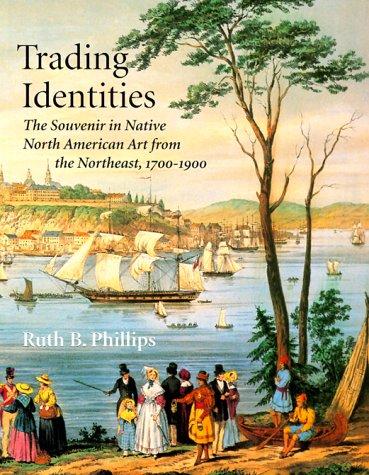
This book examines a range of art forms produced by Indians in northeastern North America for sale to travelers and tourists during the eighteenth and nineteenth centuries. The Aboriginal peoples of the Woodlands were the first in North America to experience economic and social marginalization and, in consequence, the first to rely on the production of commodities for the tourist trade. These hybrid art forms combine indigenous materials and techniques such as quillwork, moosehair embroidery, birchbark, and basketry with Euro-American genres and styles. Tourist art of the period is generally of high quality and great aesthetic interest. Yet scholars have largely ignored these objects because of their incorporation of Euro-North American influences. An innovative combination of fieldwork, art historical analysis, and historical contextualization, this study for the first time rigorously compares a Native souvenir production to a wide range of Euro-American decorative arts and home crafts. It identifies the sources of object types and styles and reveals the innovative differences displayed by Aboriginal trade wares. Images newly uncovered in archives and travel literature - including depictions of Native vendors and makers - illustrate the book, along with never before displayed or published objects from museum collections in Europe and North America.
Menrva's Summary
THE THESIS
This book investigates the complex world of Indigenous art produced for the tourist trade in northeastern North America during the eighteenth and nineteenth centuries. It explores how Aboriginal peoples of the Woodlands, facing economic and social marginalization, turned to commodity production for travelers, creating hybrid art forms that blended indigenous materials and techniques with Euro-American genres and styles. The study argues that these objects, often of high quality and aesthetic interest, have been overlooked by scholars due to their incorporation of external influences. Through a combination of fieldwork, art historical analysis, and historical contextualization, the book rigorously compares Native souvenir production to Euro-American decorative arts, identifying sources of object types and styles while highlighting the innovative differences in Aboriginal trade wares.
THE SCOPE MAP
- Examination of art forms created by Indigenous peoples in northeastern North America for sale to tourists.
- Focus on the economic and social marginalization experienced by Woodlands Aboriginal peoples.
- Analysis of hybrid art forms combining indigenous materials (quillwork, moosehair embroidery, birchbark, basketry) with Euro-American genres and styles.
- Discussion of the high quality and aesthetic interest of tourist art from the period.
- Comparison of Native souvenir production with Euro-American decorative arts and home crafts.
- Identification of the sources of object types and styles in Indigenous trade wares.
- Inclusion of newly uncovered images from archives, travel literature, and museum collections.
- Exploration of depictions of Native vendors and makers.
THE AUTHORITY PERSPECTIVE
This study is recognized for its innovative approach, combining fieldwork, art historical analysis, and historical contextualization to rigorously compare Indigenous souvenir production with Euro-American decorative arts. It offers a new perspective on objects that have been largely ignored by scholars due to their hybrid nature. The book's strength lies in its detailed examination of materials, techniques, and influences, revealing the distinctiveness of Aboriginal trade wares. By drawing on archival images and museum collections, it provides a rich visual and analytical resource for understanding this significant aspect of Indigenous cultural and economic history.
Page Count:
334
Publication Date:
1998-01-01
ISBN-10:
0295976489
Art
History
Non-Fiction
Indigenous Art
Art History
Community Tags
Similar Books