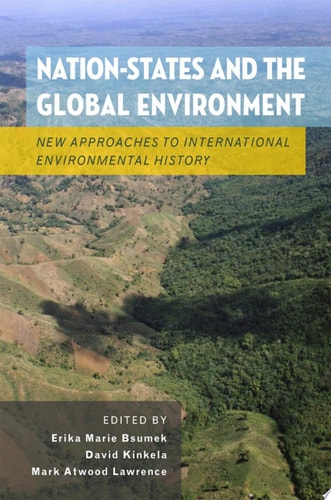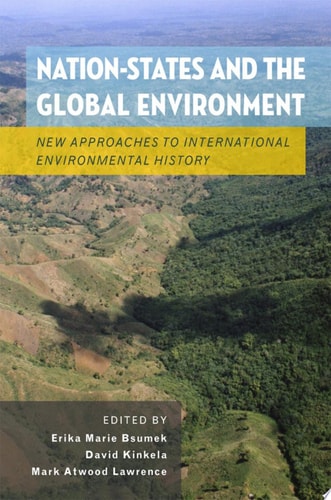
Nation-States and the Global Environment
0
0
As an Amazon Associate and affiliate partner, Menrva Books earns from qualifying purchases. Learn more
Author Description
Hardly A Day Passes Without Journalists, Policymakers, Academics, Or Scientists Calling Attention To The Worldwide Scale Of The Environmental Crisis Confronting Humankind. While Climate Change Has Generated The Greatest Alarm In Recent Years, Other Global Problems-desertification, Toxic Pollution, Species Extinctions, Drought, And Deforestation, To Name Just A Few-loom Close Behind. The Scope Of The Most Pressing Environmental Problems Far Exceeds The Capacity Of Individual Nation-states, Much Less Smaller Political Entities. To Compound These Problems, Economic Globalization, The Growth Of Non-governmental Activist Groups, And The Accelerating Flow Of Information Have Fundamentally Transformed The Geopolitical Landscape. Despite The New Urgency Of These Challenges, However, They Are Not Without Historical Precedent. As This Book Shows, Nation-states Have Long Sought Agreements To Manage Migratory Wildlife, Just As They Have Negotiated Conventions Governing The Exploitation Of Rivers And Other Bodies Of Water. Similarly, Nation-states Have Long Attempted To Control Resources Beyond Their Borders, To Impose Their Standards Of Proper Environmental Exploitation On Others, And To Draw On Expertise Developed Elsewhere To Cope With Environmental Problems At Home. This Collection Examines This Little-understood History, Providing Case Studies And Context To Inform Ongoing Debates.
Menrva's Summary
THE THESIS
This book investigates the historical capacity of nation-states to address environmental challenges that transcend national borders. The authors, David Kinkela, Erika Marie Bsumek, and Mark A. Lawrence, utilize a collection of historical case studies to analyze how political entities have historically managed resources, negotiated international conventions, and exported environmental standards. By framing contemporary crises within a broader historical context, the text argues that current global environmental governance is rooted in long-standing patterns of international negotiation and resource management.
THE SCOPE MAP
What You Will Find
- Historical analysis of international agreements regarding migratory wildlife and transboundary water management.
- Examination of how nation-states attempt to project environmental standards beyond their own borders.
- Case studies detailing the evolution of global environmental policy and resource exploitation.
- Discussion on the intersection of economic globalization, non-governmental activism, and geopolitical environmental strategy.
THE AUTHORITY PERSPECTIVE
Experts identify this collection as a valuable resource for understanding the historical precedents of modern environmental diplomacy. Readers frequently note that the text provides necessary context for scholars and policymakers attempting to navigate the complexities of current global environmental governance.
Page Count:
368
Publication Date:
2013-01-01
Publisher:
Oxford University Press, Incorporated
ISBN-10:
0199792534
ISBN-13:
9780199792535
History
Natural Resources
International relations
Human ecology
Globalization
Community Tags
Similar Books