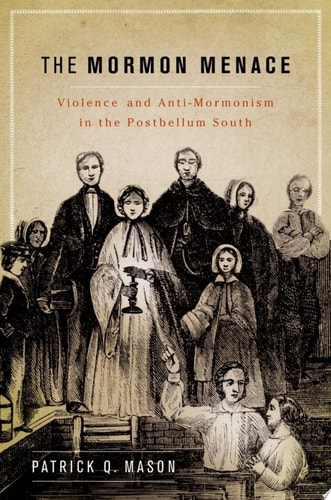
Mormon Menace: Violence and Anti-Mormonism in the Postbellum South
0
0
As an Amazon Associate and affiliate partner, Menrva Books earns from qualifying purchases. Learn more
Author Description
It Incarnates Every Unclean Beast Of Lust, Guile, Falsehood, Murder, Despotism And Spiritual Wickedness. So Wrote A Prominent Southern Baptist Official In 1899 Of Mormonism. Rather Than The Quintessential American Religion, As It Has Been Dubbed By Contemporary Scholars, In The Late Nineteenth Century Mormonism Was America's Most Vilified Homegrown Faith. A Vast National Campaign Featuring Politicians, Church Leaders, Social Reformers, The Press, Women's Organizations, Businessmen, And Ordinary Citizens Sought To End The Distinctive Latter-day Saint Practice Of Plural Marriage, And To Extinguish The Entire Religion If Need Be. Placing The Movement Against Polygamy In The Context Of American And Southern History, Mason Demonstrates That Anti-mormonism Was One Of The Earliest Vehicles For Reconciliation Between North And South After The Civil War And Reconstruction. Southerners Joined With Northern Reformers And Republicans To Endorse The Use Of Newly Expanded Federal Power To Vanquish The Perceived Threat To Christian Marriage And The American Republic. Anti-mormonism Was A Significant Intellectual, Legal, Religious, And Cultural Phenomenon, But In The South It Was Also Violent. While Southerners Were Concerned About Distinctive Mormon Beliefs And Political Practices, They Were Most Alarmed At The Invasion Of Mormon Missionaries In Their Communities And The Prospect Of Their Wives And Daughters Falling Prey To Polygamy. Moving To Defend Their Homes And Their Honor Against This Threat, Southerners Turned To Legislation, To Religion, And, Most Dramatically, To Vigilante Violence. The Mormon Menace Provides New Insights Into Some Of The Most Important Discussions Of The Late Nineteenth Century And Of Our Own Age, Including Debates Over The Nature And Limits Of Religious Freedom; The Contest Between The Will Of The People And The Rule Of Law; And The Role Of Citizens, Churches, And The State In Regulating And Defining Marriage.
Menrva's Summary
THE THESIS
This work investigates how anti-Mormon sentiment in the postbellum South functioned as a catalyst for regional reconciliation and the expansion of federal power. Patrick Q. Mason, a scholar of American religious history, utilizes primary source documents, including press archives and legal records, to analyze the intersection of religious intolerance and political strategy. He argues that the perceived threat of plural marriage allowed Southerners to align with Northern reformers, thereby reshaping the post-Civil War American political landscape through the lens of moral defense.
THE SCOPE MAP
What You Will Find
- Analysis of the late nineteenth-century anti-Mormon movement in the American South.
- Examination of the role of vigilante violence and legislative action in response to Mormon missionary work.
- Discussion of the intersection between religious freedom, federal authority, and the definition of marriage.
- Historical context regarding the reconciliation between North and South following the Civil War and Reconstruction.
THE AUTHORITY PERSPECTIVE
Scholars recognize this text as a significant contribution to the study of American religious conflict and the social history of the postbellum South. Readers frequently note the meticulous archival research and the clarity with which the author connects local violence to broader national political trends.
Page Count:
264
Publication Date:
2010-01-01
Publisher:
Oxford University Press, Incorporated
ISBN-10:
019979233X
ISBN-13:
9780199792337
History
Religion
Church History
Sociology
Jesus Christ
American History
Mormons
Community Tags
Similar Books