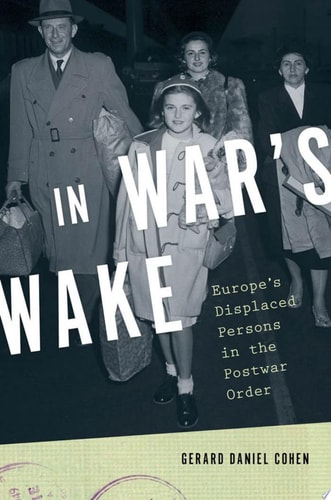
In War's Wake
0
0
As an Amazon Associate and affiliate partner, Menrva Books earns from qualifying purchases. Learn more
Author Description
After WWII, Europe was awash in refugees. Never in modern times had so many been so destitute and displaced. No longer subjects of a single nation-state, this motley group of enemies and victims consisted of Jewish survivors of the Holocaust, ex-Soviet POWs, ex-forced laborers in the Third Reich, legions of people who fled the advancing Red Army, and many thousands uprooted by the sheer violence of the war. This book argues that postwar international relief operations went beyond their stated goal of civilian rehabilitation and contributed to the rise of a new internationalism, setting the terms on which future displaced persons would be treated by nations and NGOs.
Menrva's Summary
THE THESIS
This book investigates how the massive displacement of people following World War II catalyzed the development of modern international humanitarian relief and global governance. Gerard Daniel Cohen, a historian specializing in international relations, utilizes archival records from relief organizations and state documents to argue that postwar operations were not merely rehabilitative. Instead, he posits that these efforts established the foundational frameworks and norms for how international bodies and non-governmental organizations manage displaced populations in the contemporary era.
THE SCOPE MAP
What You Will Find
- Analysis of the diverse demographics of post-WWII refugees, including Holocaust survivors, former Soviet prisoners, and forced laborers.
- Examination of the transition from national state responsibility to international humanitarian oversight.
- Evaluation of the long-term influence of postwar relief operations on modern NGO practices.
- Historical documentation of the geopolitical tensions that shaped the treatment of displaced persons.
THE AUTHORITY PERSPECTIVE
Scholars and historians frequently cite this work as a critical examination of the origins of modern internationalism. Readers often note the academic rigor and the detailed archival research that supports the author's claims regarding the evolution of refugee policy.
Page Count:
248
Publication Date:
2012-01-01
Publisher:
Oxford University Press
ISBN-10:
0199838151
ISBN-13:
9780199838158
History
European History
Community Tags
Other Editions(2)
Similar Books