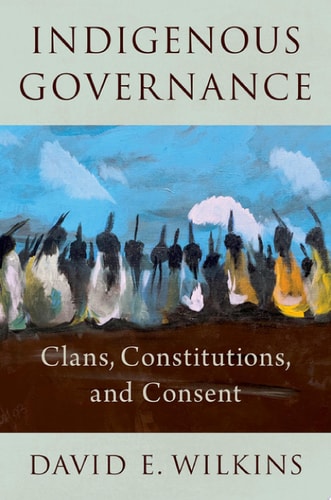
Indigenous Governance: Clans, Constitutions, and Consent
0
0
As an Amazon Associate and affiliate partner, Menrva Books earns from qualifying purchases. Learn more
Author Description
After decades of federal dominance and dependence, Native governments now command attention as they exercise greater degrees of political, economic, and cultural power. Given the weight and importance of many issues confronting Native peoples today, these governments arguably matter even more to their peoples and to the broader society than ever before. Native governments have become critically important as the chief providers of basic services and the authors of solutions to collective problems in their societies.As major actors within the realm of democratic politics, they increasingly wield their powers to educate and advocate regarding Indigenous concerns. For many communities (including non-Native neighbors) they are the largest spenders and employers. They have also become adept at negotiating intergovernmental agreements that protect their peoples and resources while strengthening their unique political status. Native peoples and governments are also navigating the devastating and lingering health and economic impact of COVID-19; the profound environmental problems that have been exacerbated by climate change; and jurisdictional conflicts with local, state, and federal actors.Indigenous Governance is a comprehensive, critical examination of Native political systems: the senior political sovereigns on the North American continent in terms of their origin, development, structures, and operation. Author David E. Wilkins provides the recognition and respect due Indigenous governments, while offering a considered critique of their shortcomings as imperfect, sovereign institutions. This appraisal will highlight their history, evolution, internal and intergovernmental issues, and diverse structures.
Menrva's Summary
THE THESIS
This book investigates the historical evolution, structural complexity, and contemporary political sovereignty of Indigenous governments within North America. Author David E. Wilkins, a scholar of Indigenous politics, utilizes a framework that balances the recognition of tribal sovereignty with a critical assessment of institutional challenges. The text examines how these governments function as primary service providers and political actors while navigating complex jurisdictional relationships with federal and state entities.
THE SCOPE MAP
What You Will Find
- Historical analysis of the development of Native political systems
- Examination of internal governance structures and constitutional frameworks
- Assessment of intergovernmental negotiations and jurisdictional conflicts
- Discussion of contemporary challenges including climate change and public health crises
Scope Limits
- Does not provide an exhaustive legal manual for every specific tribal nation
- Does not focus on individual biographical accounts of political leaders
THE AUTHORITY PERSPECTIVE
Experts recognize this work as a foundational text for understanding the nuances of Indigenous political sovereignty in the modern era. Readers frequently note the academic rigor and the balanced approach the author takes when discussing both the successes and the inherent limitations of these sovereign institutions.
Page Count:
504
Publication Date:
2023-01-01
Publisher:
Oxford University Press
ISBN-10:
0190096004
ISBN-13:
9780190096007
Politics
Government
Sociology
Schools & Teaching
World politics
Native American
Specific Topics
Law
Community Tags
Similar Books