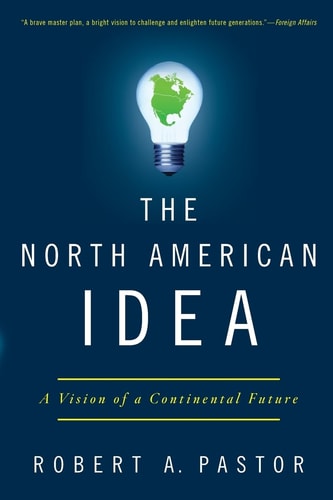
The North American Idea: A Vision of a Continental Future
0
0
As an Amazon Associate and affiliate partner, Menrva Books earns from qualifying purchases. Learn more
Author Description
In Its First Seven Years, The North American Free Trade Agreement (nafta) Tripled Trade And Quintupled Foreign Investment Among The U.s., Mexico, And Canada, Increasing Its Share Of The World Economy. In 2001, However, North America Peaked. Since Then, Trade Has Slowed Among The Three, Manufacturing Has Shrunk, And Illegal Migration And Drug-related Violence Have Soared. At The Same Time, Europe Caught Up, And China Leaped Ahead. In The North American Idea, Eminent Scholar And Policymaker Robert A. Pastor Explains That Nafta's Mandate Was Too Limited To Address The New North American Agenda. Instead Of Offering Bold Initiatives Like A Customs Union To Expand Trade, Leaders Of The Three Nations Thought Small. Interest Groups Stalemated The Small Ideas While Inhibiting The Bolder Proposals, And The Governments Accomplished Almost Nothing. To Overcome This Resistance And Reinvigorate The Continent, The Leaders Need To Start With An Idea Based On A Principle Of Interdependence. Pastor Shows How This Idea--once Woven Into The National Consciousness Of The Three Countries--could Mobilize Public Support For Continental Solutions To Problems Like Infrastructure And Immigration That Have Confounded Each Nation Working On Its Own. Providing Essential Historical Context And Challenging Readers To View The Continent In A New Way, The North American Idea Combines An Expansive Vision With A Detailed Blueprint For A More Integrated, Dynamic, And Equitable North America.
Menrva's Summary
THE THESIS
The core question investigated is whether a shift toward a formal principle of continental interdependence can resolve the stagnation and systemic challenges facing the United States, Mexico, and Canada. Robert A. Pastor, a distinguished scholar and policymaker, utilizes his extensive background in North American diplomatic history to argue that the limited scope of NAFTA failed to address the evolving needs of the continent. He posits that the current political stalemate is a result of narrow national interests and proposes a comprehensive framework for deeper integration to address shared issues like infrastructure and migration.
THE SCOPE MAP
What You Will Find
- Historical analysis of the economic and political trajectory of the United States, Mexico, and Canada post-NAFTA.
- A detailed blueprint for institutional reform, including proposals for a customs union and integrated continental policy.
- Examination of the impact of global competition from Europe and China on North American economic standing.
- Strategic recommendations for mobilizing public support to overcome interest-group resistance to continental cooperation.
THE AUTHORITY PERSPECTIVE
Experts and political analysts frequently cite this work as a foundational text for understanding the limitations of regional trade agreements and the necessity of broader political integration. Readers often note the clarity of the author's policy proposals, which provide a structured approach to complex international challenges.
Page Count:
288
Publication Date:
2011-01-01
Publisher:
Oxford University Press, Incorporated
ISBN-10:
0199830533
ISBN-13:
9780199830534
Economics
History
Motion picture producers and directors
United States
Public Policy
International relations
Community Tags
Other Editions(2)
Similar Books